
Guide
What a Cold Snap Does to a Garage Door Spring in Katy
Katy TX homes built from the 1970s through 2014 face rare hard freezes that snap tired torsion springs fast. Here's what actually happens and why it matters.
Local detail
What the Weather Here Does to It
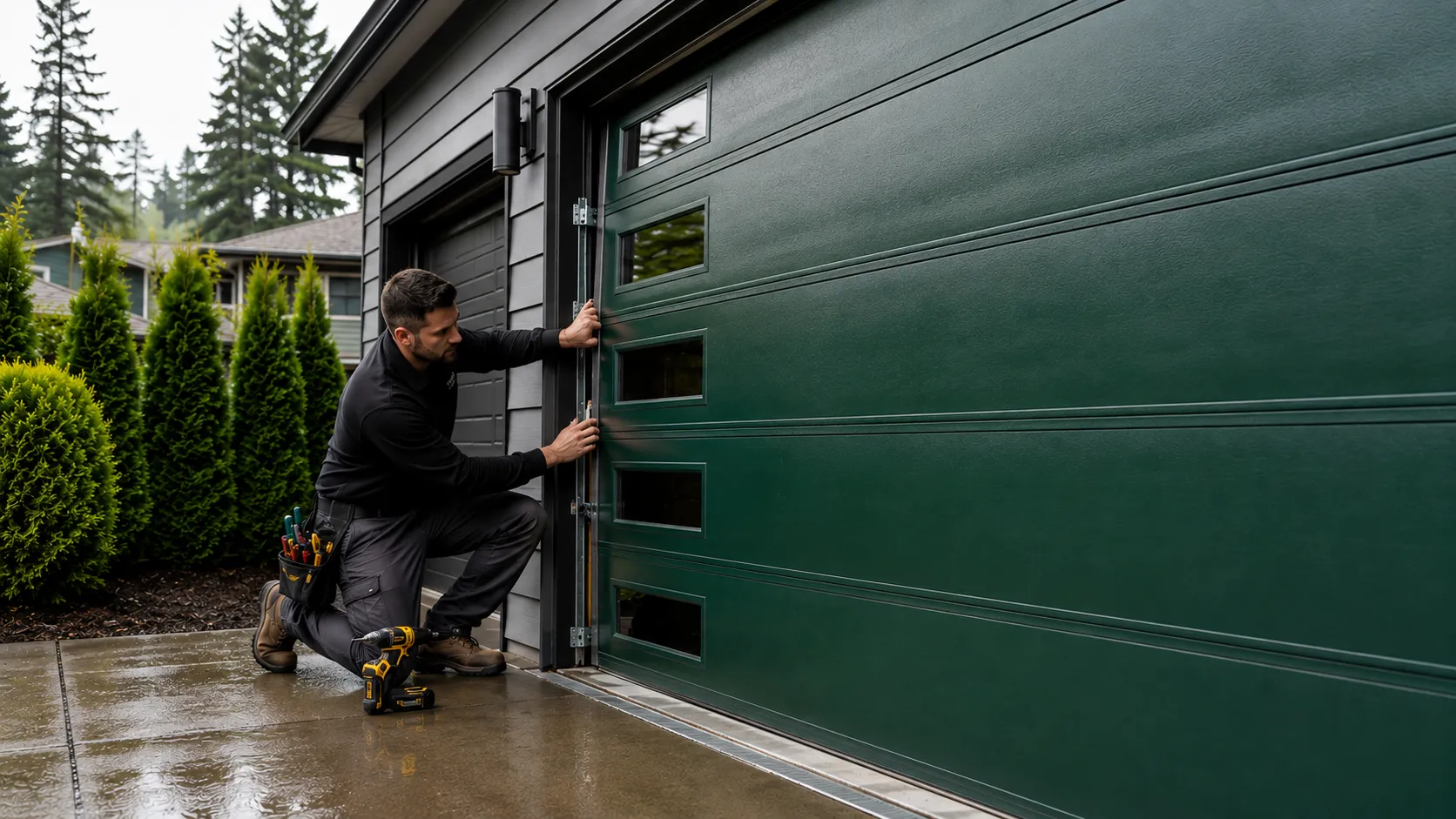
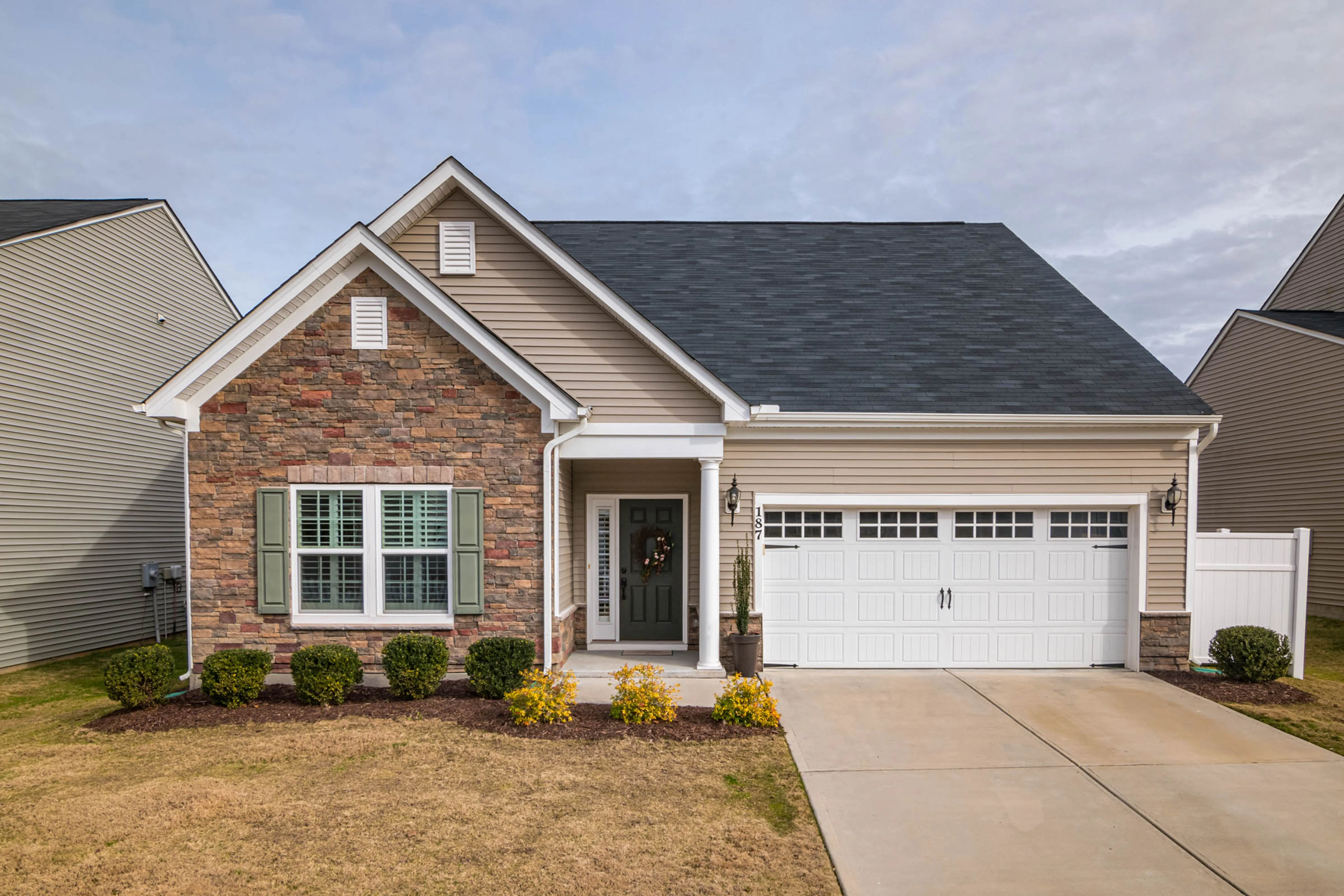
Katy's climate here is logged as moderate heat, not extreme cold - the kind of place where steel spends most of the year expanding and contracting under summer heat rather than fighting frost. A torsion spring that has cycled through years of Gulf Coast humidity and long stretches of 90-degree heat work-hardens differently than one in a place that freezes hard every winter. Most houses in this service area went up between 1976 and 2014, with the median build year sitting around 1990, so a lot of the torsion hardware out there has already spent three to four decades absorbing that heat cycling.
When the temperature does drop into the 30s for a night, that spring isn't fighting cold for the first time - it's fighting cold on top of decades of heat fatigue it was never built to also handle. That combination, not the cold alone, is what breaks it. It's also why a spring failure on a cold morning here often surprises people who assumed heat was the only thing hard on their hardware.
The area
What Most People Get Wrong
The mistake we see most is homeowners treating a broken spring like a summer problem, since Katy's heat gets blamed for everything mechanical around here. But the stock across this area - 1980s and 90s construction spread across a dozen named subdivisions, from older sections near the center out through newer build-out - means a big share of springs are original equipment nearing the end of a normal service life anyway. With a median household income of $95,273 in the service area, most of these are owner-occupied houses people plan to stay in for years, not flip, so a spring that finally lets go on a cold night usually isn't bad luck.
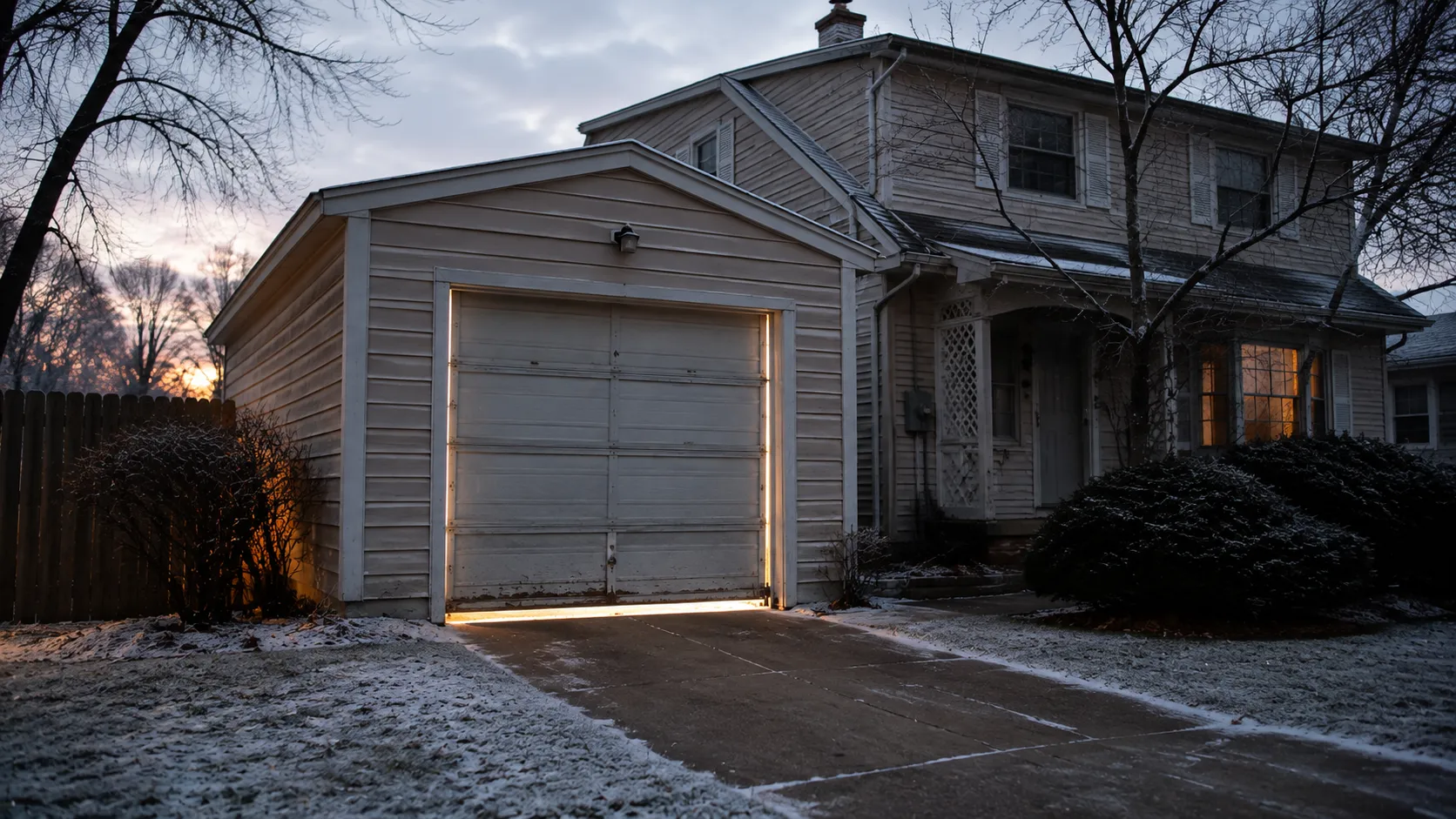
It's a 25-to-35-year-old part meeting one more temperature swing than it had left in it. People also assume a spring that looks fine - no visible rust, no obvious gap in the coil - has years left. Age and cycle count matter more than looks, and a house from this build era has had plenty of both.
What we find
Season by Season
Summer here runs long and heavy, classified in the moderate-heat band, and that's the season that quietly does the damage - hundreds of cycles of a hot garage, a hot spring, and a door lifted and lowered in the worst part of the afternoon. Fall and winter don't bring hard freezes as a rule, but the area does get nights cold enough to swing the metal's temperature fast, and that's the moment a spring that spent all summer expanding finally contracts past its limit. Neighborhoods like Cinco Ranch, Firethorne, and Grand Lakes sit close enough to share the same weather pattern and roughly the same build-out era, so the failure pattern doesn't change much house to house across that stretch.
Spring rain season adds humidity back into garages that were just dry from winter, which is its own slower wear on hardware, but it's not what snaps a spring outright. The short version: heat does the slow damage all year, and the occasional cold night collects on it.
How we work
The Problem
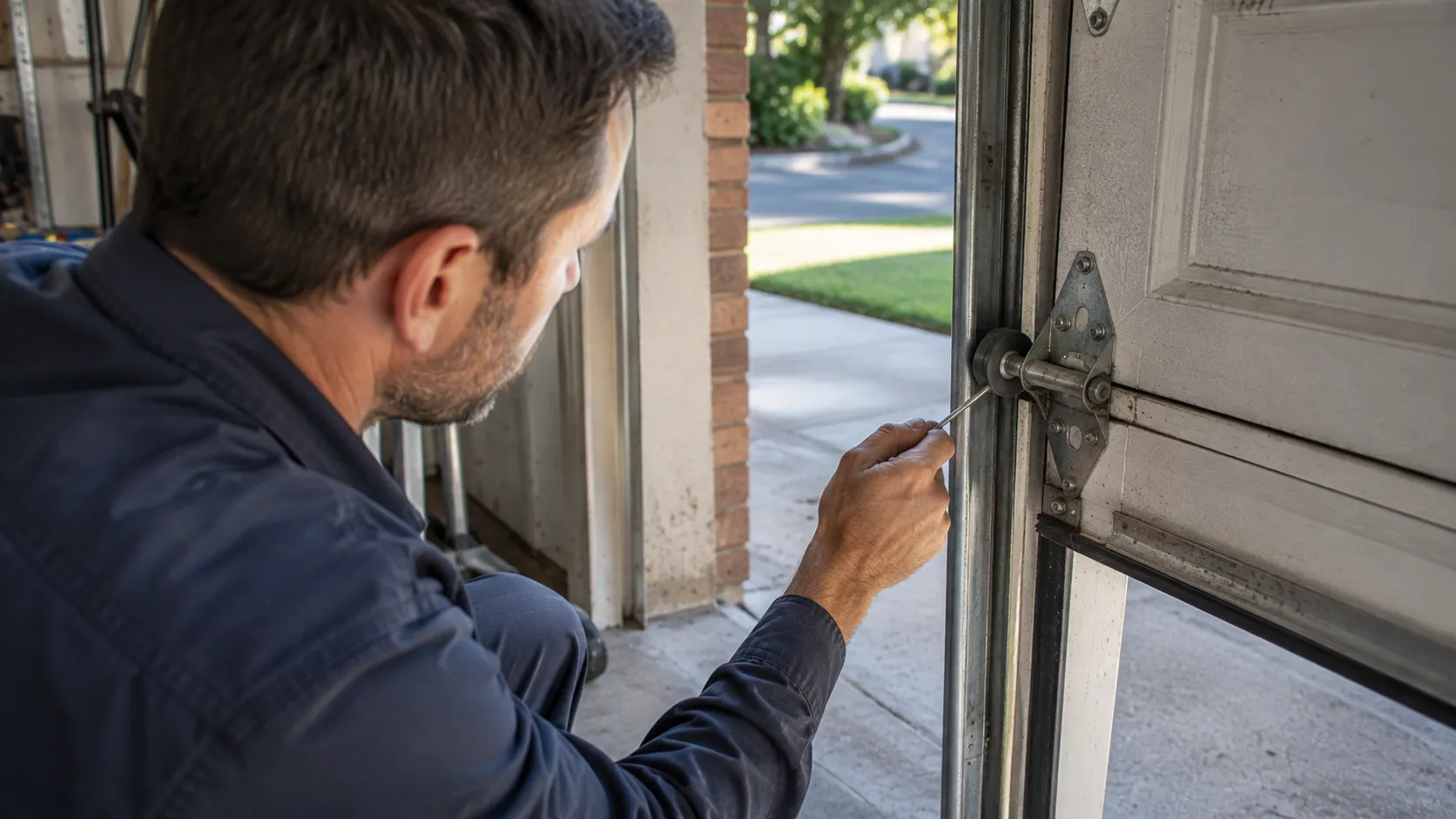
When a spring goes in cold weather, the door usually won't lift at all, or it lifts a few inches and stops as the opener strains against full weight with no spring assist. On older torsion setups common in houses from the 1976-2014 build range here, a broken spring can also let a cable go slack and jump the drum, which turns a spring job into a cable job too. Across the roughly 12,994 owner-occupied houses in this service area, most garage doors are original torsion setups from that same build-out era, which is why a cold-night failure looks so similar house to house.
We don't carry every spring size on the truck for a same-night call - high-cycle and oversized springs on bigger doors sometimes mean a next-day part order rather than a same-visit fix, and we'd rather tell you that up front than pretend otherwise. If your door's spring failed on a cold night, the safest move is to leave the door down and call rather than forcing it open by hand.
Questions
Common questions
Why did my garage door spring break on a cold night in Katy?
It's rarely the cold alone. Houses in this area were mostly built between 1976 and 2014, so a lot of springs are decades into a service life spent absorbing Katy's long summer heat cycles. A cold snap adds one more temperature swing on top of that fatigue, and that's usually the point where an aging spring finally lets go.
Are garage door springs in Katy older than in colder climates?
Not necessarily older in years, but they're work-hardened differently. Katy sits in a moderate-heat climate band, so springs here cycle hard through summer heat rather than winter freeze. Combined with a housing stock mostly from the 1980s and 90s, a lot of hardware out there is well into or past a normal replacement window.
Do you carry replacement springs on the truck for emergency calls?
Not every size. Common torsion springs, yes, but high-cycle or oversized springs for bigger doors sometimes need a next-day order rather than a same-visit fix. We'd rather tell you that up front than promise a same-night repair we can't deliver.
Is my neighborhood likely to have the same spring problem?
If you're in or near areas like Cinco Ranch, Firethorne, or Grand Lakes, the build-out era and weather exposure are similar enough that the same failure pattern shows up across those neighborhoods. Age of the spring and heat-cycle history matter more than which street you're on.
Ready when you are
Need a garage door sorted in Katy?
Katy Garage Door Pros repairs and installs garage doors, springs and openers in Katy, TX and the surrounding area.