
Guide
What Actually Happens During a Katy Service Call
A breakdown of what a real service call checks on the 1980s-90s housing stock common across Katy, TX and the areas around it, from spring tension to opener wiring.
Local detail
What the Weather Here Does to It
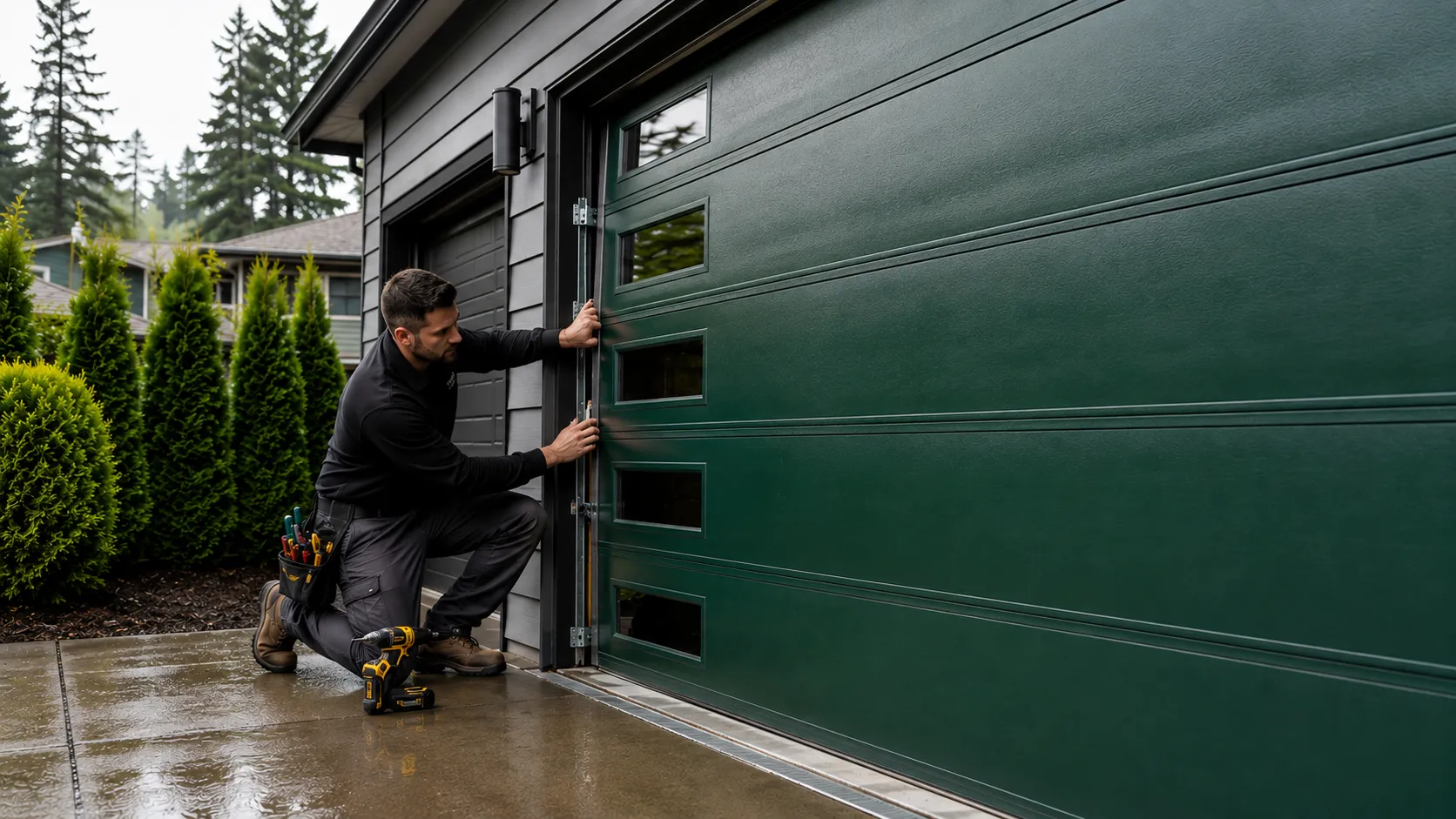
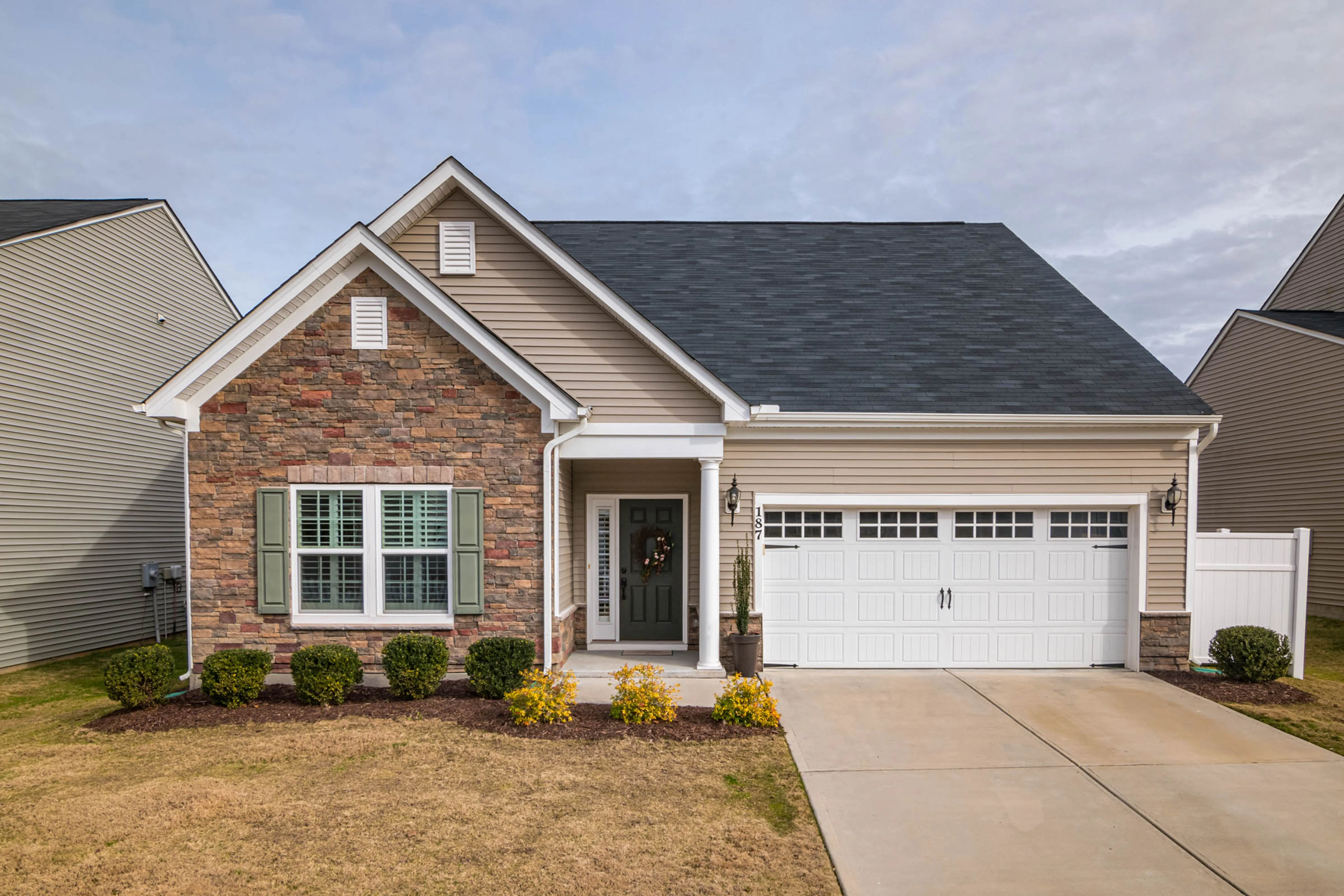
This area sits in a moderate heat band, and that matters more than most owners think. Steel panels expand in the afternoon and pull back tight overnight, over and over, for months at a stretch. On a door that's been doing this since the 1980s or 90s - which describes most of the stock across the twelve areas we cover, from Firethorne to Cinco Ranch to Grand Lakes - that cycling works lubricant out of rollers, loosens hinge screws in wood jambs, and dries out nylon idler gears in the opener until they crack.
We don't see much frost-related failure here, so we're not chasing the cracked-vinyl-in-freezing-weather calls a lot of other markets deal with. What we do see is heat fatigue: springs that lose tension faster than the winding chart says they should, and openers whose circuit boards run warmer than spec inside an attached garage that gets no airflow. A service call in this area checks spring tension against the door's actual weight, not just the year it went in, because 30-plus years of heat cycling changes that number.
The area
What Most People Get Wrong
The most common mistake we run into: an owner assumes a struggling door means a bad opener, when the opener is just the last thing to show a symptom. If a spring installed when the house was built in the 1980s or 90s has quietly lost 20 percent of its lift over three decades of heat cycling, the opener motor works harder to compensate, the drive gear wears faster, and eventually the opener fails first - even though the spring was the actual problem the whole time.
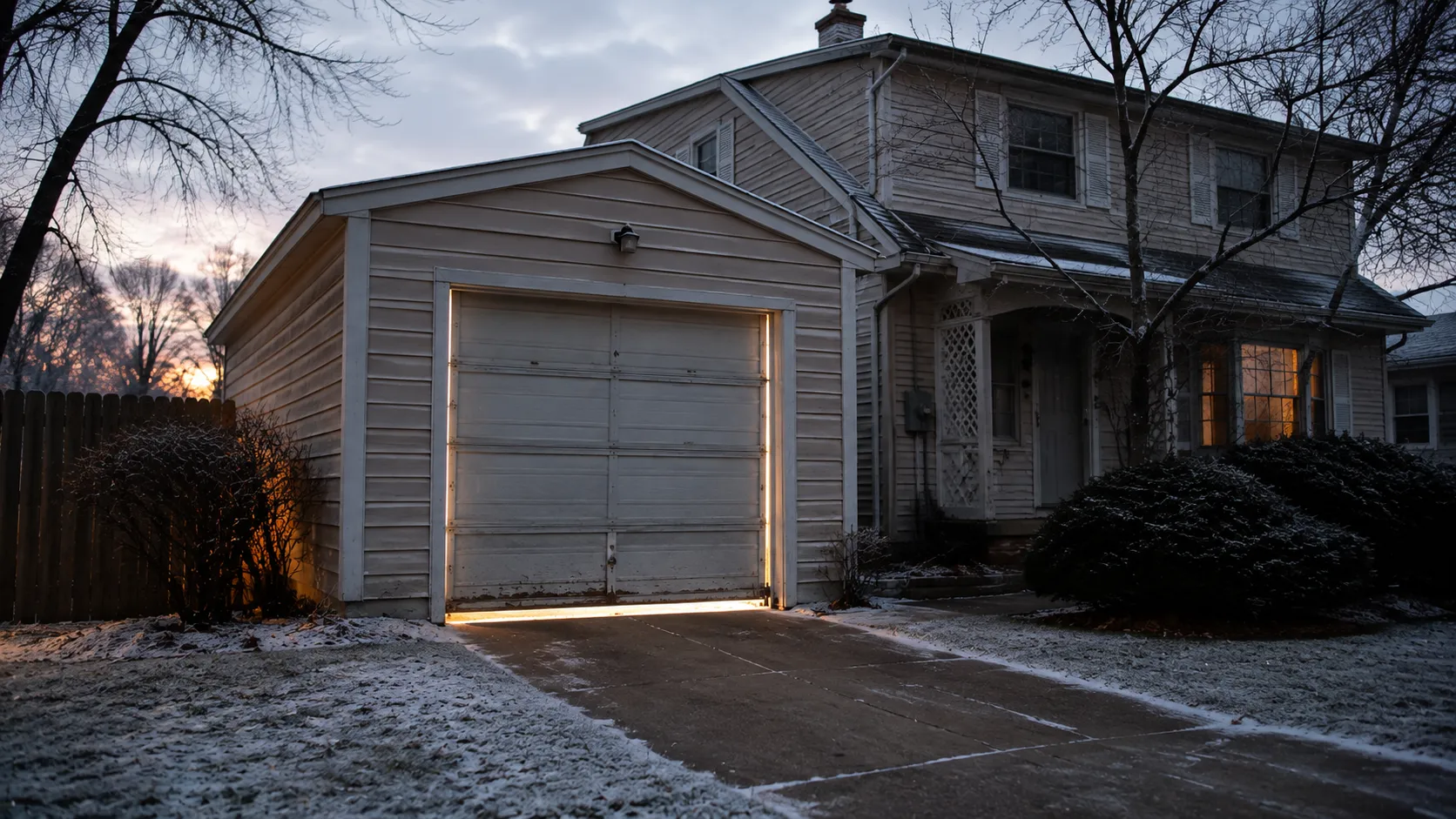
The second mistake is assuming original equipment lasts forever because the house has held up fine. A house built in 1990 and a garage door installed in 1990 are not the same kind of object. Framing doesn't fatigue from being opened and closed twice a day; torsion springs and extension cables do. A service call separates what's cosmetic - faded paint, a dented bottom panel - from what's structural: a spring at end of life, a cable starting to fray at the drum. Those get flagged and priced separately, not bundled into one number, because one of them is a safety issue and the other one isn't.
What we find
Season by Season
Spring in this area brings the first stretch of real heat, and that's when springs that barely made it through the previous summer tend to give out - the metal's fatigued and the extra load pushes it past its limit. This is the busiest stretch for torsion spring calls, and it lines up almost exactly with the age curve of housing here, since a door installed in the median year of 1990 is now well past the cycle count most springs are rated for.
Summer is the stress test for openers. Attached garages with no ventilation trap heat, and older circuit boards - especially anything installed before the mid-2000s, common across this housing stock - start showing intermittent faults: a remote that works some days and not others, a safety sensor that trips for no visible reason. A service call in summer checks sensor alignment and board temperature behavior, not just whether the door opens.
Fall and into the cooler months, the pace slows and it's a reasonable time for the maintenance a summer of heat cycling earns: lubrication, hardware torque checks, weatherstrip inspection. We don't get much value pushing that work during peak heat season when call volume is already spring- and opener-driven.
How we work
The Problem
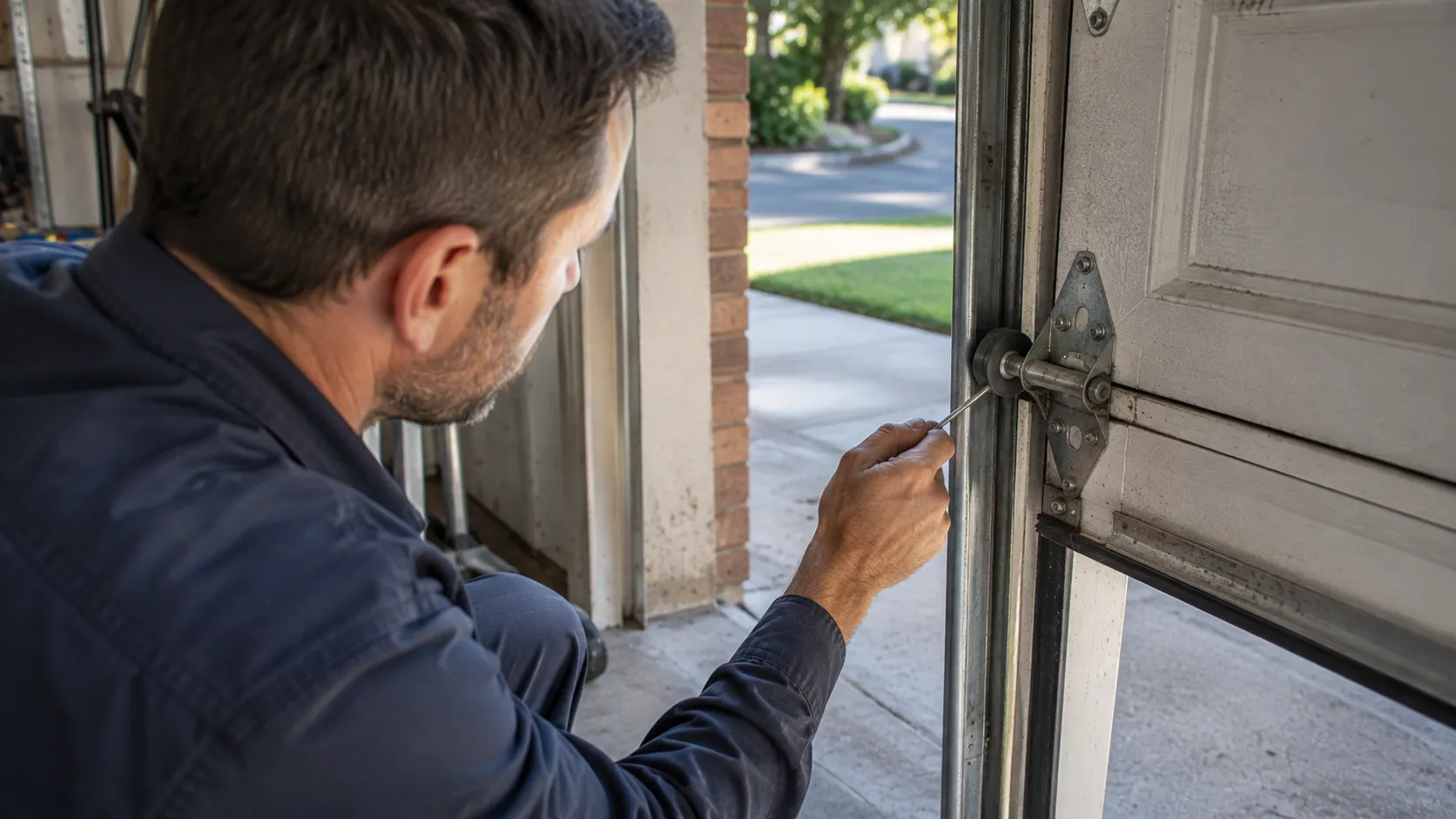
Here's the honest limitation: on a door installed when this house was built - likely somewhere in the 1976-to-2014 range, with most of it clustering in the 1980s and 90s - the track hardware and drum sizing are often not stocked as exact-match parts anymore. We can usually source a compatible replacement, but it's not always same-day, and pretending otherwise doesn't help anyone.
We also won't tell an owner to repair a door that's cheaper to replace over its remaining life. With 12,994 owner-occupied houses and 21,587 households across the area we serve, we see enough of this housing stock to know the pattern: a door original to a 1980s build, with a spring that's already been replaced once and an opener drawing more current than it should, is usually a replacement conversation, not a third repair. A service call gives you that number honestly, even when it's not the one that gets us a smaller invoice today.
Questions
Common questions
Is a garage door service call in Katy different from other areas?
The mechanics are the same everywhere, but what fails first here tracks the local housing stock - mostly built in the 1980s and 90s - and the moderate heat band this area sits in, which cycles springs and opener gears harder than a milder climate would. A call here checks those specific wear points first.
How do you know if my spring is original to the house?
We check the winding and the wire gauge stamp against what's typical for the build year. Since most houses across this service area date to the 1980s and 90s, a spring that's never been replaced on one of these doors is usually well past its rated cycle count, and that shows in how it's holding tension.
Do you serve Firethorne and Cinco Ranch?
Yes. Firethorne is about three miles southwest of our base and Cinco Ranch about six miles out, both well inside our service area along with the other named areas we cover.
Will you tell me if repair isn't worth it?
Yes. On older doors from this area's 1980s-90s housing stock, if a spring's already been replaced once and the opener's straining too, we'll say so and give you the replacement number alongside the repair number, not just push whichever job is in front of us.
Ready when you are
Need a garage door sorted in Katy?
Katy Garage Door Pros repairs and installs garage doors, springs and openers in Katy, TX and the surrounding area.