
Katy, TX
Garage Door Installation for Katy Homes Built in the 1980s and 90s
Most Katy homes date to the 1980s and 90s, with steel doors and openers now past their working life. See what installation actually involves here.
What we do
Garage door work in Katy
Local detail
The DIY Question
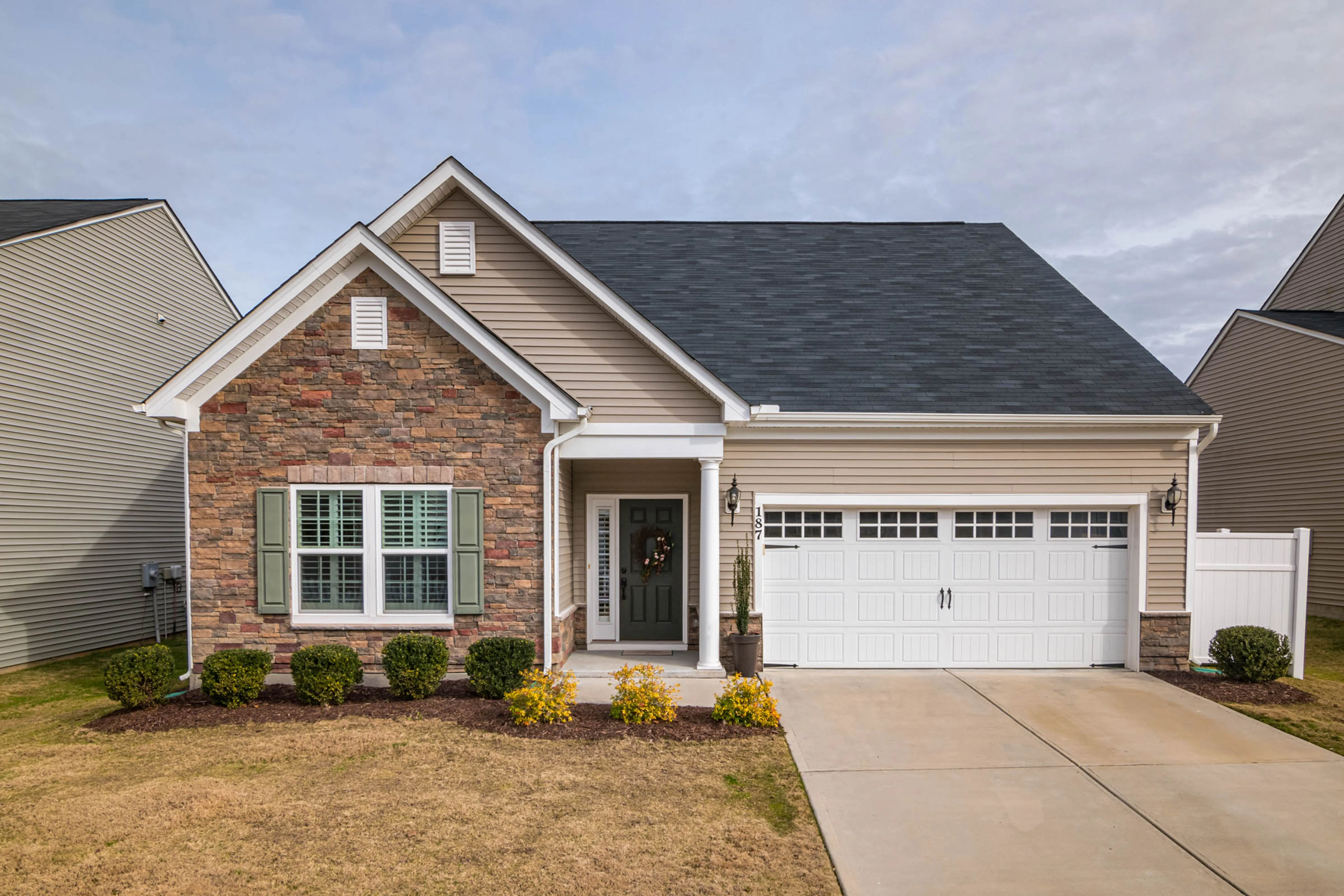
A lot of homeowners in Katy look at a new garage door kit and figure it's a Saturday project. Sometimes it is. If you're swapping a lightweight steel door on a house built after 2000 with modern hardware, a handy person can get through it. But a big share of the houses in this service area went up between 1976 and 2014, with the median build year sitting around 1990, and that changes the math. A door built to 1990s spec often sits on track and jamb hardware that no longer matches what's sold today. You can install a new door on old track, but you're building in problems from day one - uneven rollers, a jamb that's shifted a half inch since it was framed, an opener bracket that doesn't line up.
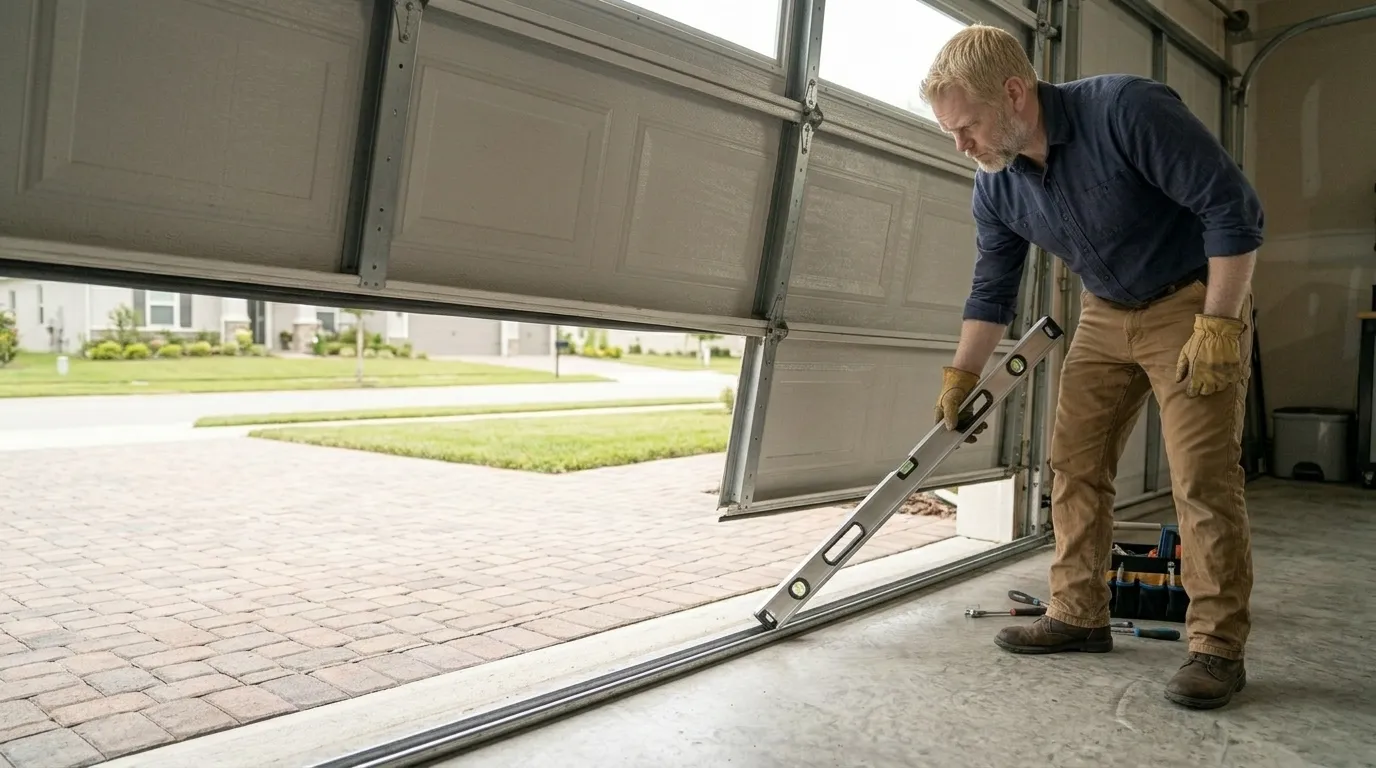
The honest answer: measure your header height and jamb depth before you order anything. If those numbers don't match a stock size, you're now doing carpentry, not just installing a door, and that's where most DIY jobs stall out. We don't push people away from doing their own work - we just don't want you to find out mid-install that the track needs to be re-hung too.
The area
What You Are Seeing
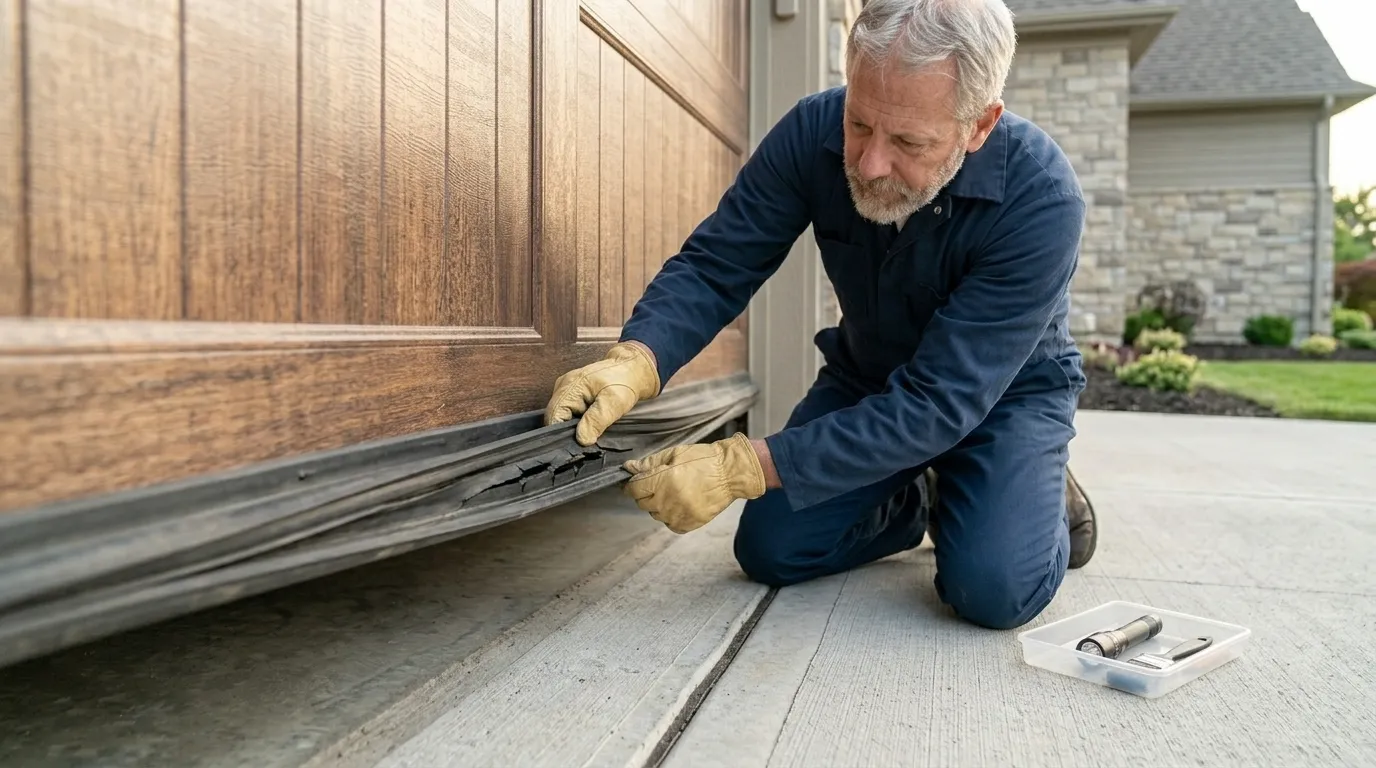
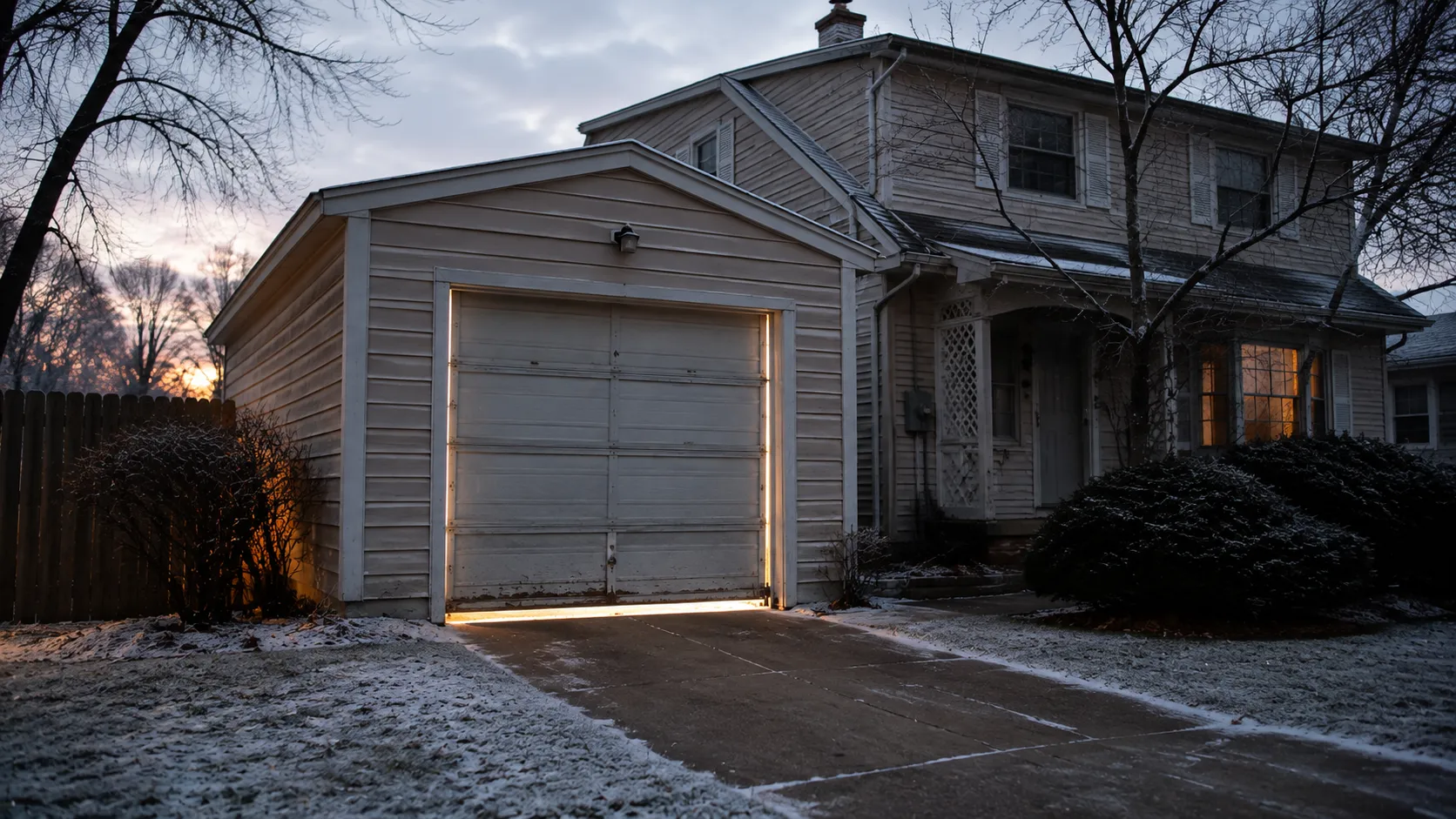
If your door is sagging on one side, or the opener strains and reverses before it closes, you're likely looking at hardware that's been carrying summer heat cycles for twenty-plus years. The area's climate band runs moderate on heat, but moderate still means real thermal cycling on steel panels and nylon rollers year after year - the kind of wear that shows up as hairline warping on the bottom panel or a track that's walked slightly out of plumb. On 1980s and 90s builds, which make up most of the stock across the twelve areas we work in, from Firethorne to Grand Lakes to Nottingham Country, this shows up as a door that looks fine closed but binds halfway up.
Another common sign: a single-panel or two-panel door with visible flex when the wind loads it. Older doors weren't built to today's panel gauge standards, and if yours is original to a house from that build era, it's carrying thirty-plus years on hinges and end stiles that were never meant to last that long.
What we find
Time on the Job
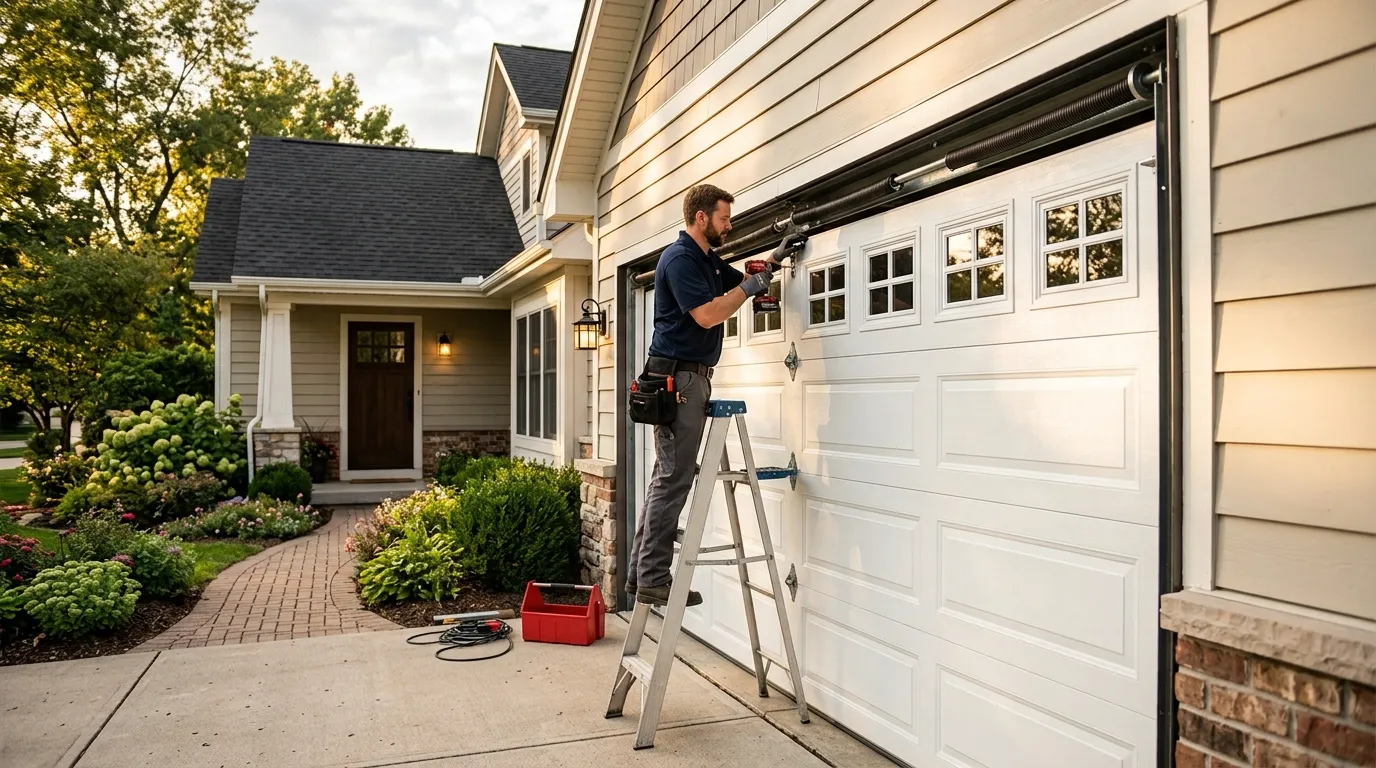
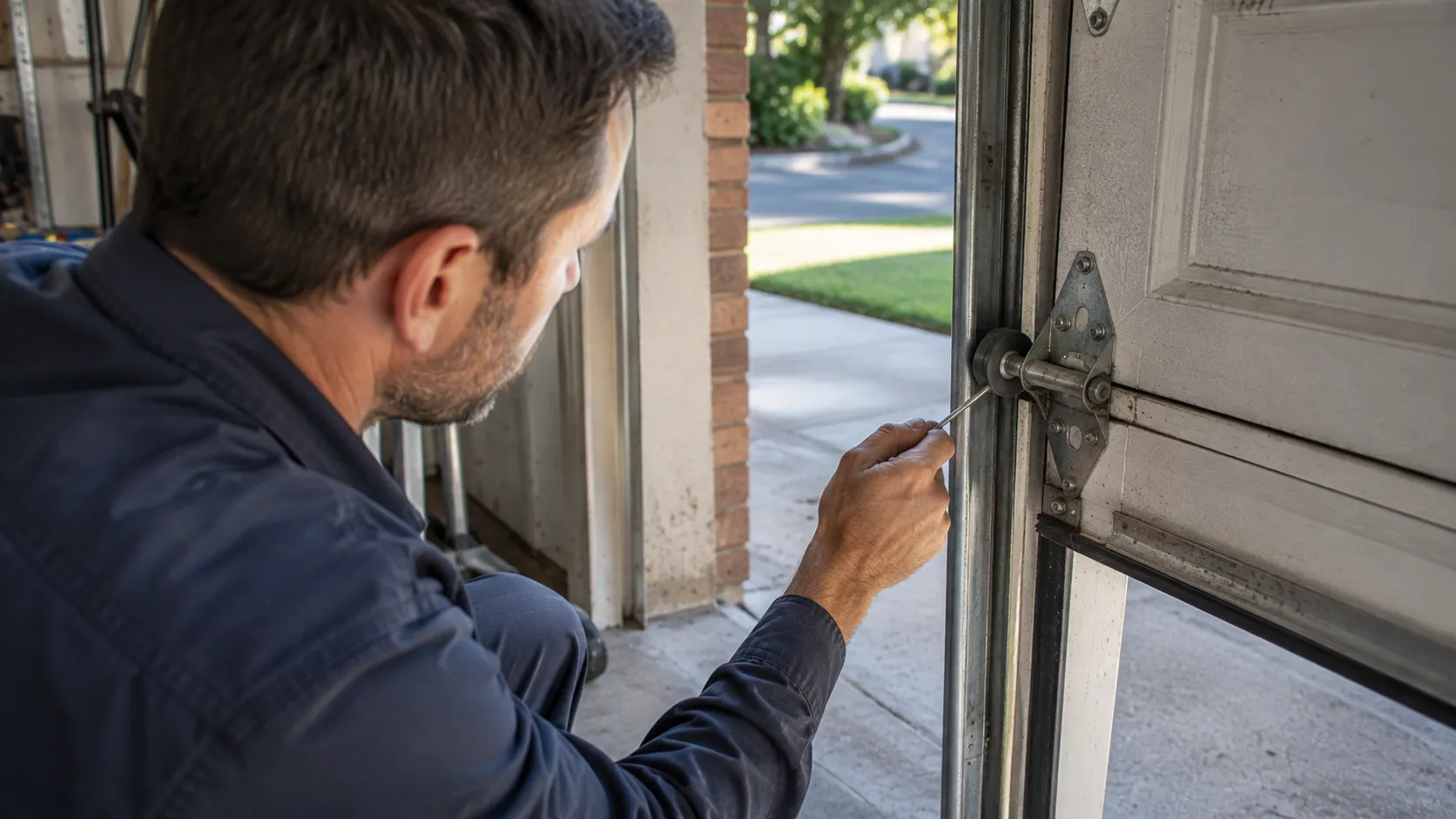
A straightforward single-door swap - old door off, new door and matching track hung, opener reconnected - is a different job than a double-door replacement where the header needs reinforcement or the track has to be re-run because the jamb has shifted. We size the job once we're in front of it, not before. Houses built in the same era, say 1985 to 1995, don't all age the same way; one garage in Cinco Ranch West might have a jamb that's square as the day it was framed, and another six miles over might have settled enough that the new track needs shimming the whole way up.
We won't quote a flat number of hours over the phone for that reason. What we can tell you is that we look at header height, jamb condition, and existing opener compatibility before the door goes on the truck, because ordering the wrong size door for a non-standard opening is the single most common reason installs run long.
How we work
Why This Fails Locally
This isn't a generic wear-and-tear story. It's specific to what's actually built out here. With most of the service area's roughly 12,994 owner-occupied houses dating to the 1980s and 90s construction wave, a big number of garages share the same original hardware generation - meaning the same springs, same track gauge, same panel thickness are all aging out around the same time. Add a moderate heat climate band that puts steel and nylon rollers through real expansion and contraction every season, and you get a predictable failure pattern: warped bottom panels, tracks that have walked out of alignment, and openers original to houses now pushing thirty years old.
A newer subdivision doesn't see this same clustering - the hardware there is younger and more uniform. In Katy's older pockets, though, replacement isn't optional maintenance, it's catching up with a house that's finally at the end of what its original door and opener were built to do.
Questions
Common questions
Is my garage door original to the house if it was built in the 1980s or 90s?
Possibly. Since most homes in this service area were built between 1976 and 2014 with a median around 1990, a lot of original doors and openers are now thirty-plus years old. If you've never replaced the door, it's worth having the track and jamb checked before you buy a new one, since hardware from that era often doesn't match today's standard sizing.
Can I put a new door on my old track?
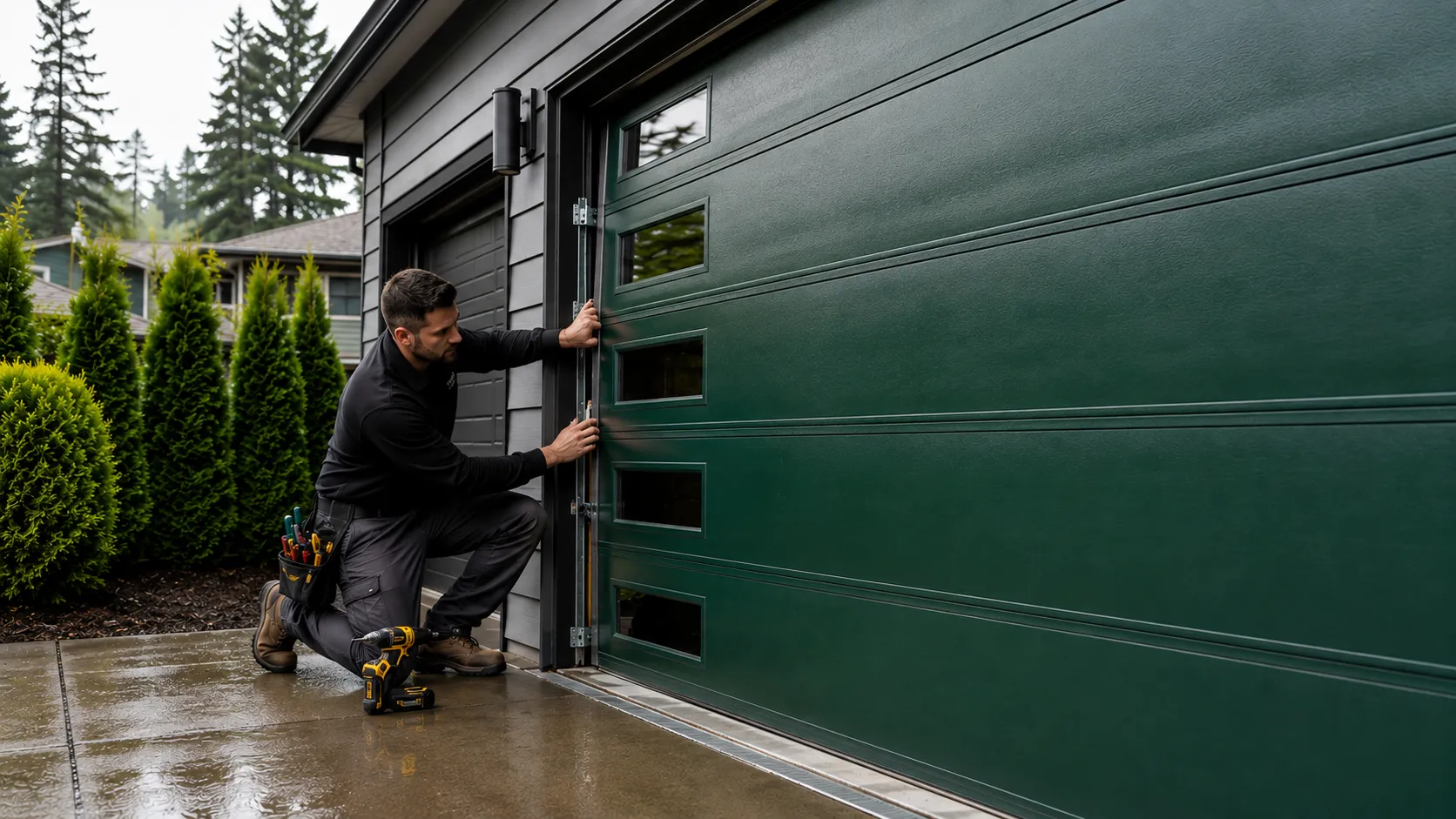
Sometimes, but it's risky. Track and jamb hardware from 1980s and 90s construction doesn't always match new door specs, and mixing old track with a new door can cause binding or uneven wear almost immediately. We check jamb depth and header height before recommending whether the track needs replacing too.
Why does my door struggle more in summer?
Steel panels and nylon rollers expand and contract with heat cycling. In a moderate heat climate like this one, that repeated cycling adds up over decades, especially on original hardware from older builds. It shows up as binding partway through the door's travel or an opener that strains before reversing.
Ready when you are
Need a garage door sorted in Katy?
Katy Garage Door Pros repairs and installs garage doors, springs and openers in Katy, TX and the surrounding area.