
Guide
What That Sound From Your Garage Door Is Actually Telling You
A grinding, popping, or slapping garage door in Katy usually traces back to 1980s-90s builder-grade hardware working through three decades of Gulf Coast heat cycling.
Local detail
What the Weather Here Does to It
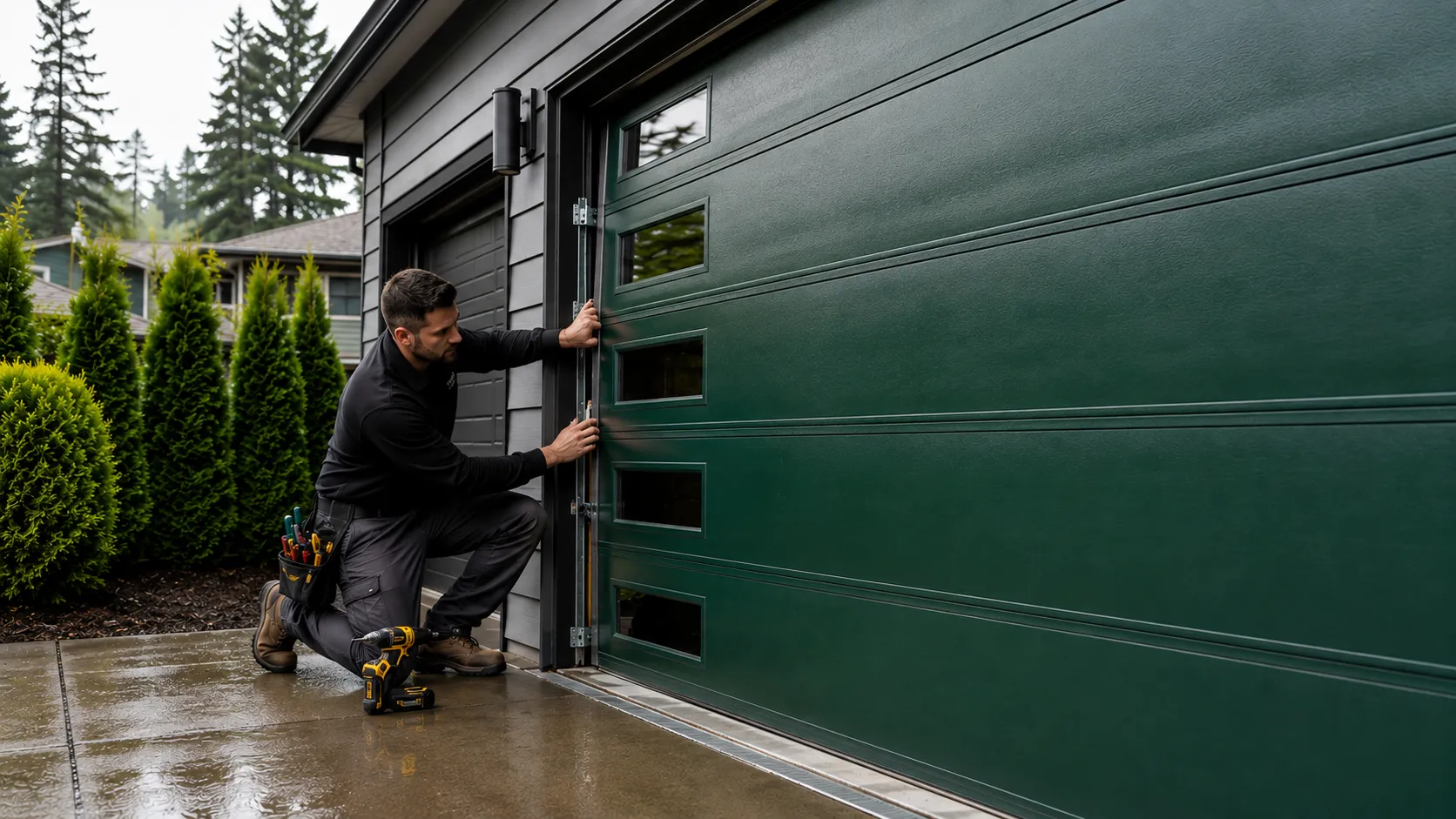
Katy sits in a moderate heat band, not the extreme swings you get further north or the freeze-thaw damage that cracks concrete in colder states. What that means for a garage door is steady, repeated thermal cycling rather than one dramatic failure. Steel tracks expand a little on a hot afternoon and pull back tight once the sun drops.
Nylon rollers, common in doors from the 1980s and 90s that make up most of the housing stock here, get brittle from that repeated flex years before they visibly crack. A door built around the median year of 1990 in this area has been through roughly three decades of that cycle. The popping sound you hear when the door opens on a warm evening is often the track fasteners working loose from that expansion, not a spring about to snap.
A slapping sound partway through the cycle is usually a bent track section that opens up a hair wider when it's warm and pinches when it cools. None of this is dramatic weather damage. It's slow wear from ordinary heat, which is exactly why it gets ignored until the day the door doesn't move at all.
The area
What Most People Get Wrong
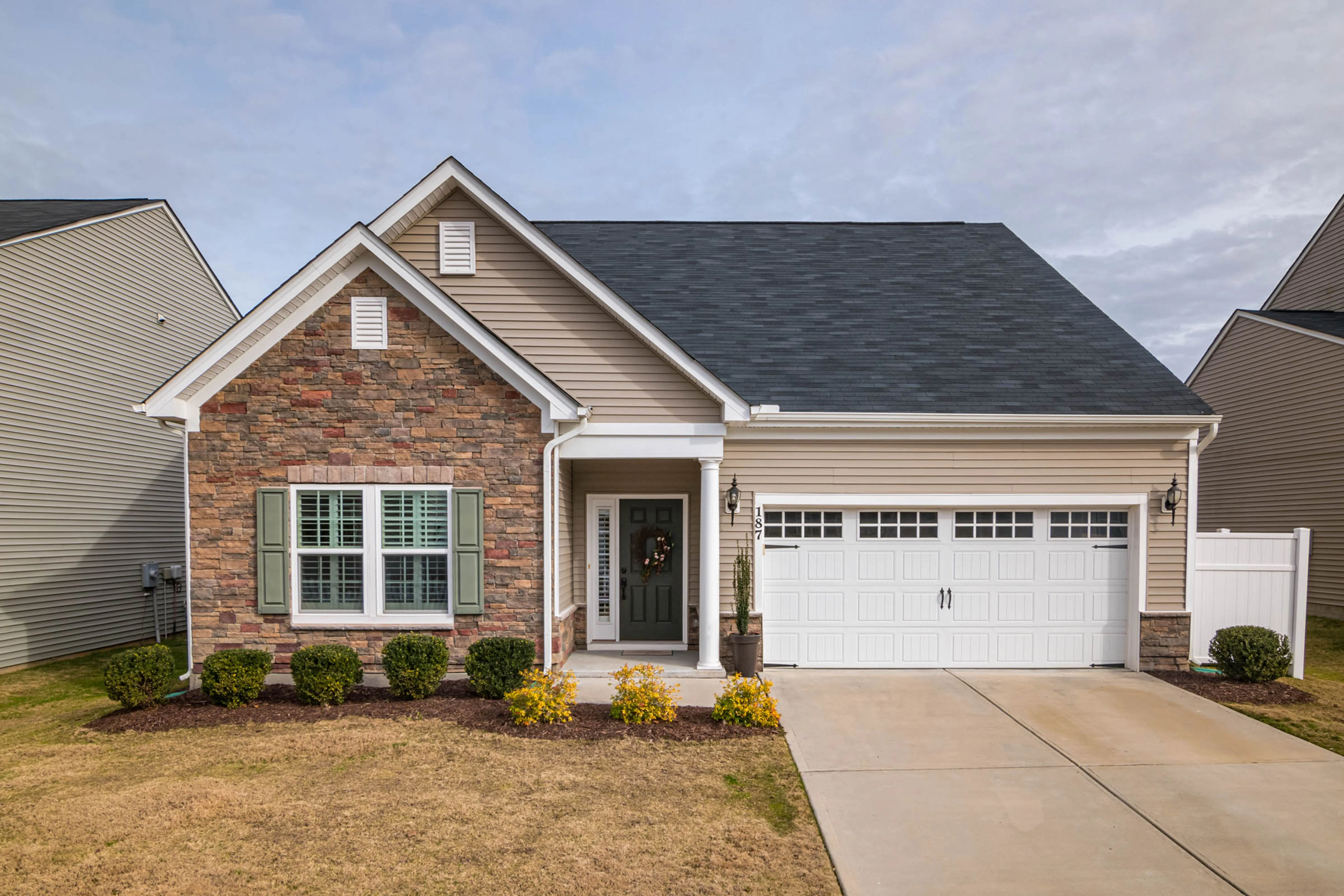
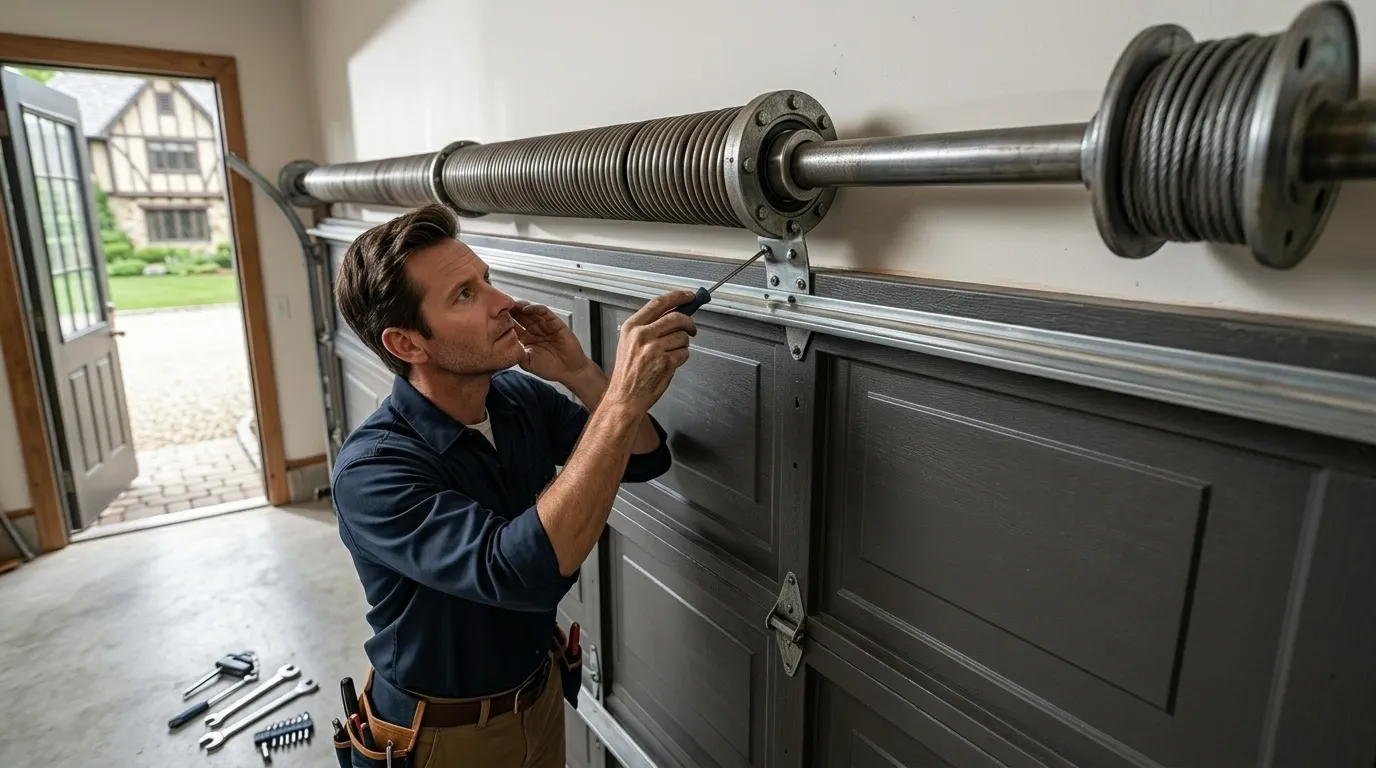
The mistake we hear most in this area is homeowners assuming a 30 to 40 year old house is still "newer" and its garage hardware can't be original. Across the neighborhoods this shop covers - Firethorne, Cinco Ranch, Cinco Ranch West, Grand Lakes, Nottingham Country, Barker, Addicks Park Ten, Canyon Lakes at Stonegate - most of the housing stock dates to the 1980s and 90s, with the broader area built out between 1976 and 2014. That means a lot of garages still run the builder-installed opener and torsion spring that shipped with the house. People hear a grinding noise and assume it's the opener motor, so they replace the opener and the noise comes right back, because the actual problem was a dry bearing plate or a worn end bearing on the spring shaft that the opener has nothing to do with.
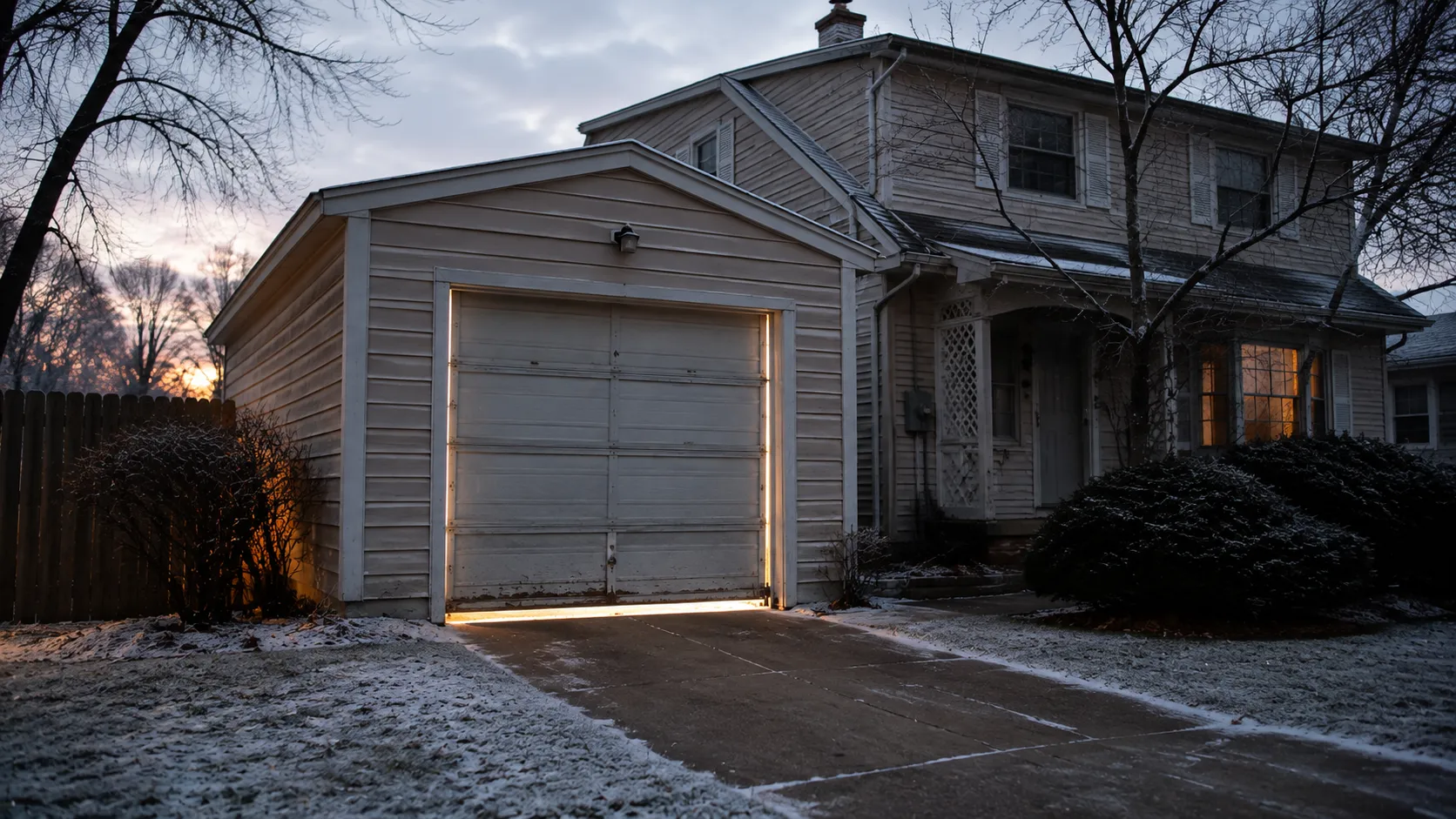
Another common one: a rhythmic thump every few seconds during travel gets written off as "just an old door," when it's almost always a flat spot on a roller or a bent hinge, both cheap fixes if caught early. Age isn't the diagnosis. What's actually worn is.
What we find
Season by Season
Because the heat band here runs moderate rather than extreme, there isn't a hard freeze season that cracks door panels or seizes springs the way it would further inland or north. The pattern instead is a long stretch of warm months that keep hardware expanded and working, followed by a shorter cooler stretch where everything contracts back down. Late spring through early fall is when we see the most track and roller complaints, since that's when metal is expanded and any existing misalignment shows up as noise or binding.
Cooler months tend to quiet things down temporarily, which is part of why problems get ignored; the noise seems to go away on its own for a few months, then comes back the next warm stretch, usually worse. For a door built around 1990, this cycle has repeated roughly 30 to 35 times. That's a lot of expansion and contraction on original springs and rollers, even without a single extreme weather event to point to.
There isn't a season here where you can skip a look at the door. The moderate climate just spreads the wear out evenly instead of concentrating it in one obvious event.
How we work
The Problem
Here's the honest limitation: once a door from that 1980s-90s builder-grade era needs more than one part, replacement is usually the better call, not another repair. Original springs, rollers, and track sections from that period were made to a builder-grade spec, not a premium one, and matching parts for a 30-plus-year-old door can mean a wait or a mismatch that causes the same noise again in a year. With median household income in this area at $95,273, most homeowners here are choosing a full door replacement once they hit that wall rather than layering repairs on a door that's already worked through three decades of heat cycling.
That's not a sales pitch, it's math: with 12,994 owner-occupied houses across roughly 21,587 households in this service area, we see this exact decision point constantly, and it usually comes down to how much has already been replaced versus what's still original. We won't quote a repair on a door where the drum, spring, and rollers are all original and all worn. At that point the honest answer is a new door, not three separate service calls.
Questions
Common questions
My garage door only makes noise when it's hot out. Is that normal?
It's common in this area, but not something to ignore. Moderate heat cycling expands steel track and dries out roller bearings faster than a mild climate would. If the noise only shows up on warm days, it usually means a track or roller issue that heat is making worse, not creating from scratch. It won't fix itself when it cools down.
My house was built in the early 90s. Could the door hardware really still be original?
Very possibly. Most housing in this area was built between 1976 and 2014, with a lot concentrated in the 1980s and 90s. If the door and opener haven't been replaced, that hardware has been cycling through Gulf Coast heat for three decades or more, which is well past the rated life of a builder-grade spring.
Is it ever not worth repairing?
Yes. Once a door from the original 1980s-90s builder-grade stock needs a spring, rollers, and track work all at once, we'll usually tell you replacement makes more sense than three separate repairs on hardware that's already at the end of its cycle life.
Ready when you are
Need a garage door sorted in Katy?
Katy Garage Door Pros repairs and installs garage doors, springs and openers in Katy, TX and the surrounding area.