
Guide
What an Older Garage Door in Katy Is Actually Worth Fixing
Most Katy houses went up between 1976 and 2014, so doors here range from 1980s steel to newer models. We cover which older doors are worth repairing.
Local detail
What the Weather Here Does to It
Katy's climate falls in the moderate heat band, not the freeze-thaw belt that cracks steel skins and snaps torsion springs early in colder states. That's good news for the doors on houses built here between 1976 and 2014 - the housing stock that makes up most of this service area. But moderate heat still does its own damage, just slower.
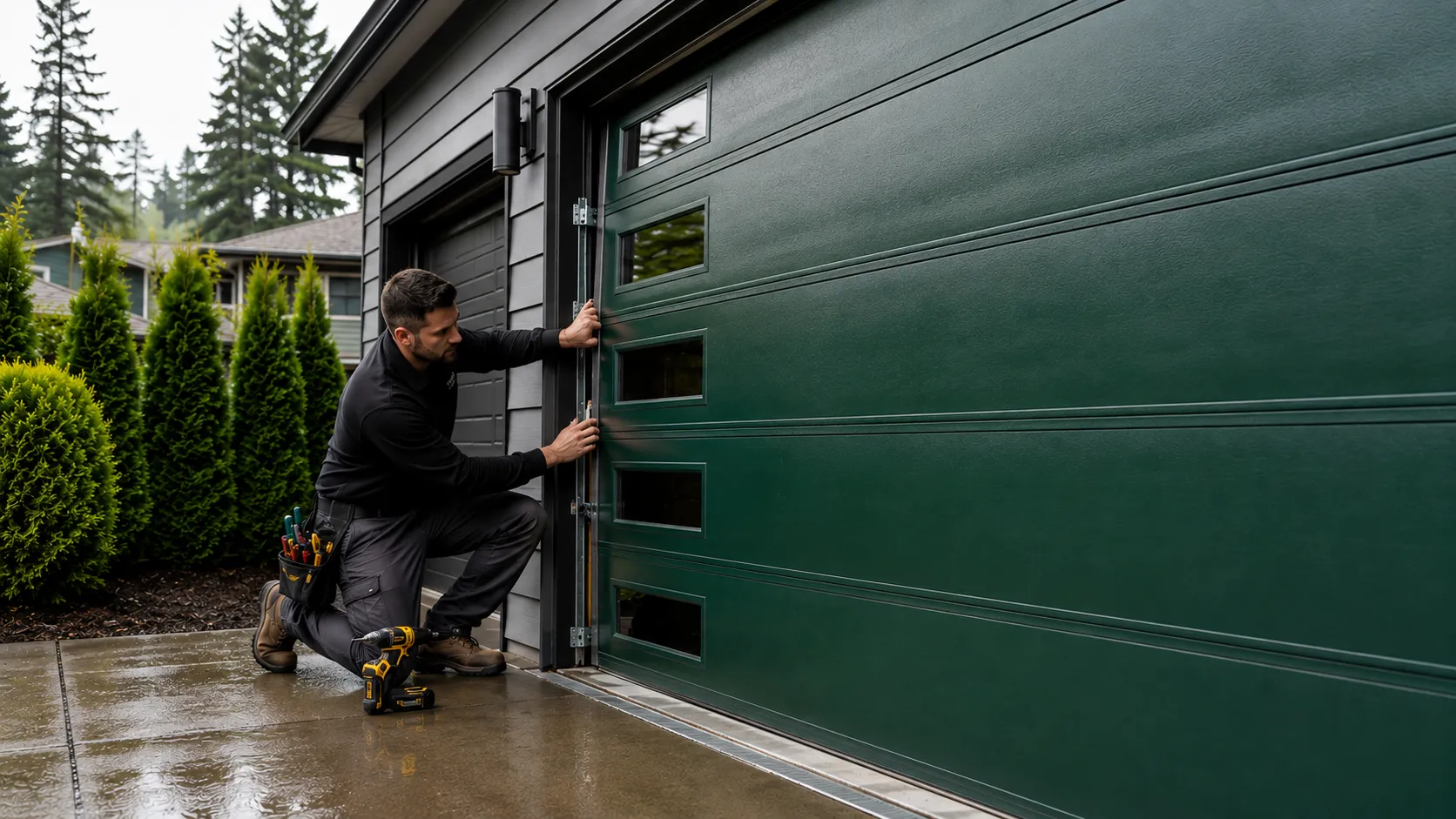
Nylon rollers on doors from the 1980s and 90s dry out and crack under sustained warmth. Steel tracks expand a little more each summer than the winter before, and over three decades that repeated flex loosens the bolts holding the track to the jamb. Weatherstripping on original doors - the vinyl bottom seal and the side seals - turns brittle years before the panel itself shows any real wear.
None of this means the door is done. A torsion spring rated for a certain number of cycles doesn't care whether it's Houston-area heat or Northern cold pulling it apart; it's counting lifts either way. What heat changes is which parts fail first, and on a door install date in the 1980s-90s range, that's usually the roller and the seal, not the panel.
The area
What Most People Get Wrong
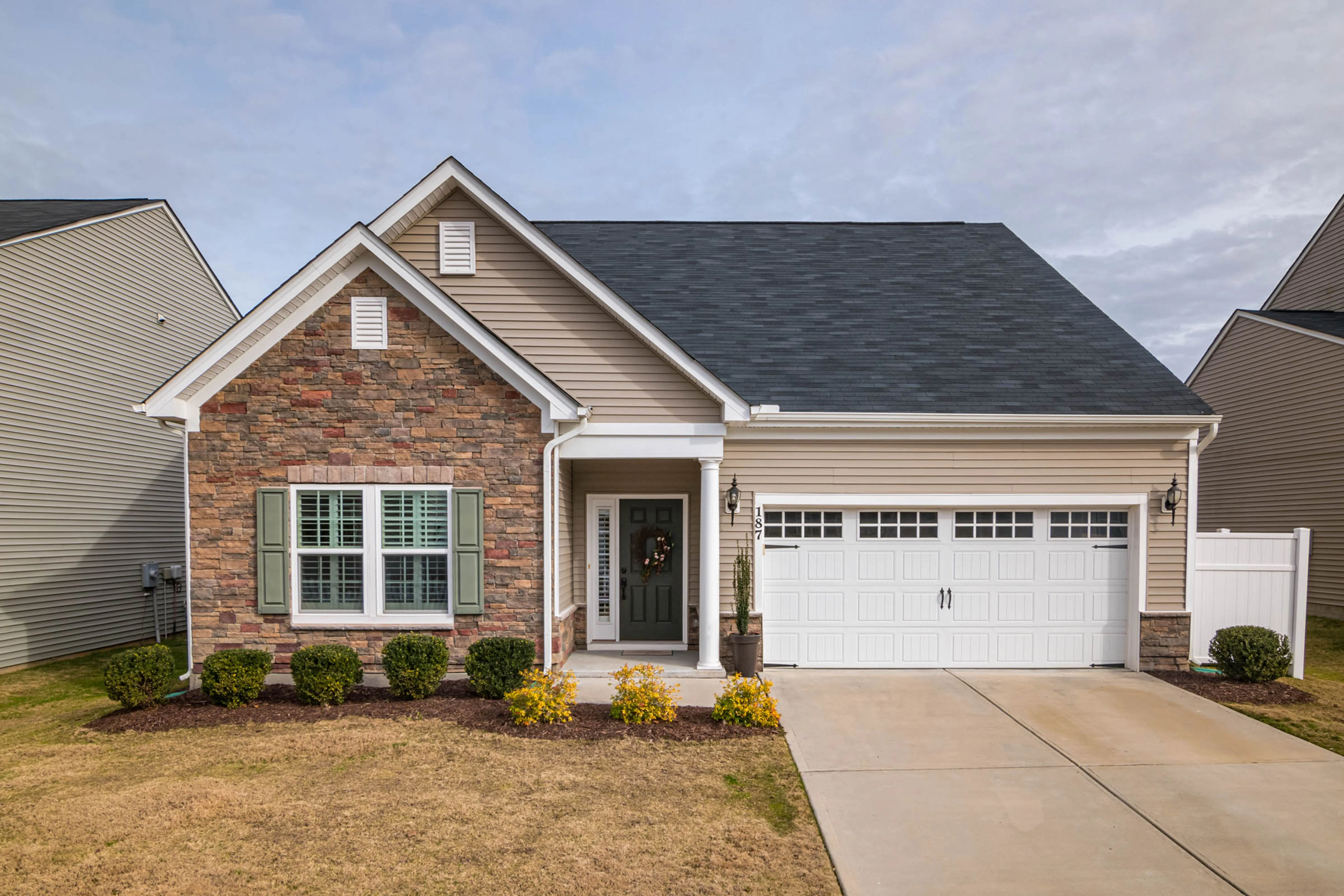
The mistake we see most in this area is treating every door built in the 1980s or 90s as one problem instead of three. Across the roughly 12,994 owner-occupied houses in this service area, most going up between 1976 and 2014, the door, the opener, and the spring system age on completely different clocks. A steel door from that era with a repainted surface and straight panels still has years left in it - steel doesn't fatigue the way a spring does.
The opener is a different story: a unit installed when the house was built has usually already outlived its motor life, whether or not it still runs. And the spring is on a cycle count, not a calendar - a door used twice a day for thirty years has taken more lifts than one used four times a day for eight. People replace the whole unit because the opener grinds, when the door and track underneath are fine.
Or they keep limping a spring along because 'the door still opens,' not realizing a spring near the end of its cycle count is a safety problem, not a convenience one. Separating those three parts before deciding what to fix is the difference between a small repair and a full replacement you didn't need.
What we find
Season by Season
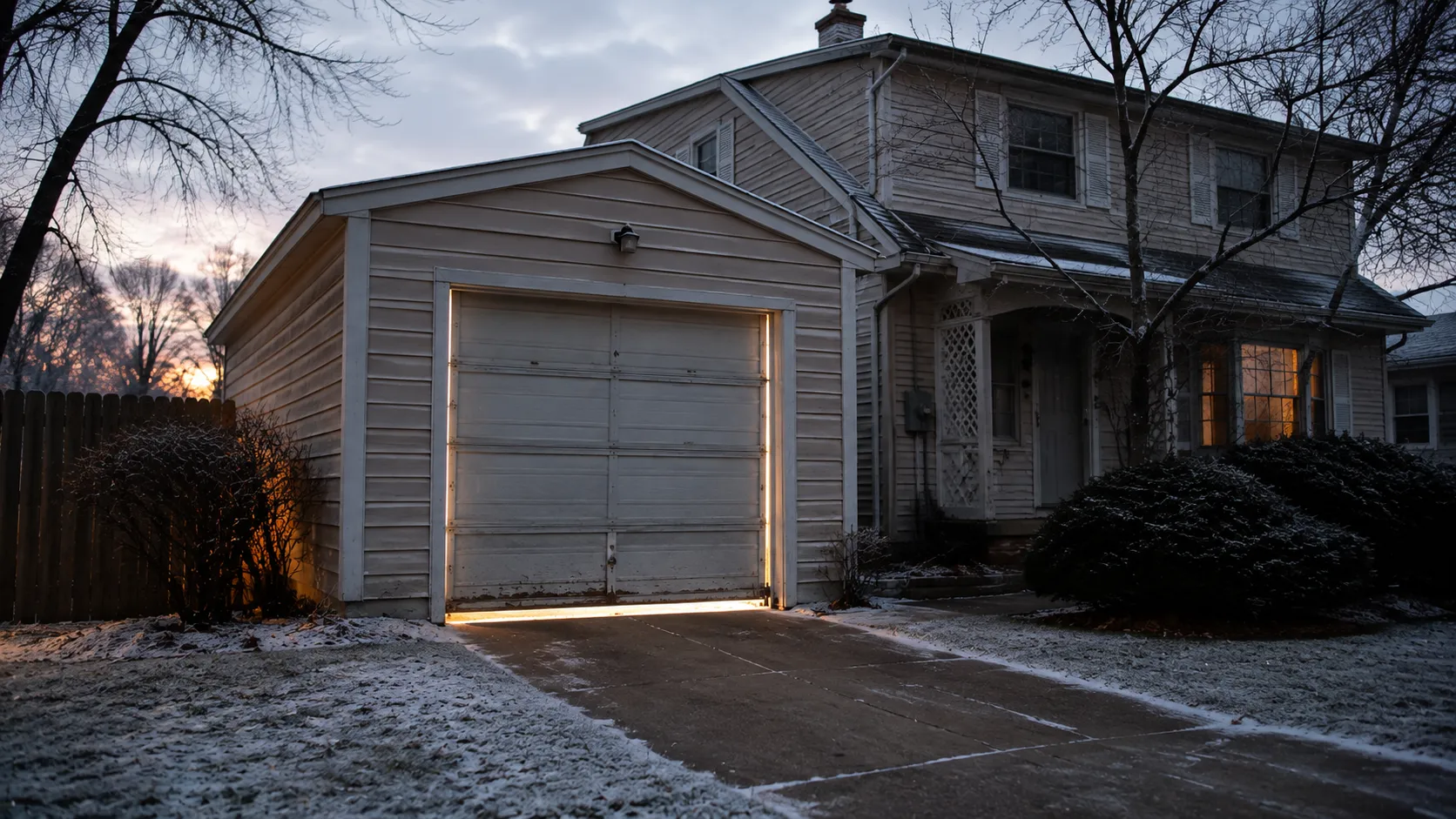
Katy doesn't get the freeze-thaw cycle that forces a real winter maintenance push, so the seasonal pattern on an older door here runs on heat, not cold. Spring is when a spring that's been quietly wearing down all through the previous year's heat finally lets go - the metal has cooled enough overnight to contract, then it's asked to do full duty again as the days warm. Summer is the hardest stretch: sustained heat softens old lubricant in the rollers and hinges, and a door on a house from the 1980s or 90s that hasn't been lubricated in years starts to bind and groan on the track.
Fall brings fewer complaints, which is exactly when it's worth checking the hardware that got ignored all summer - the bolts that heat-cycling loosened, the seal that dried out. Winter here is mild enough that it mostly just gives the door a break; it's the one season where an older unit in this service area rarely acts up. If you're going to do one seasonal check on a door that's already 25 or 30 years old, do it at the start of summer, not the start of winter - backwards advice if you moved here from somewhere colder, but right for how houses in this area actually age.
How we work
The Problem
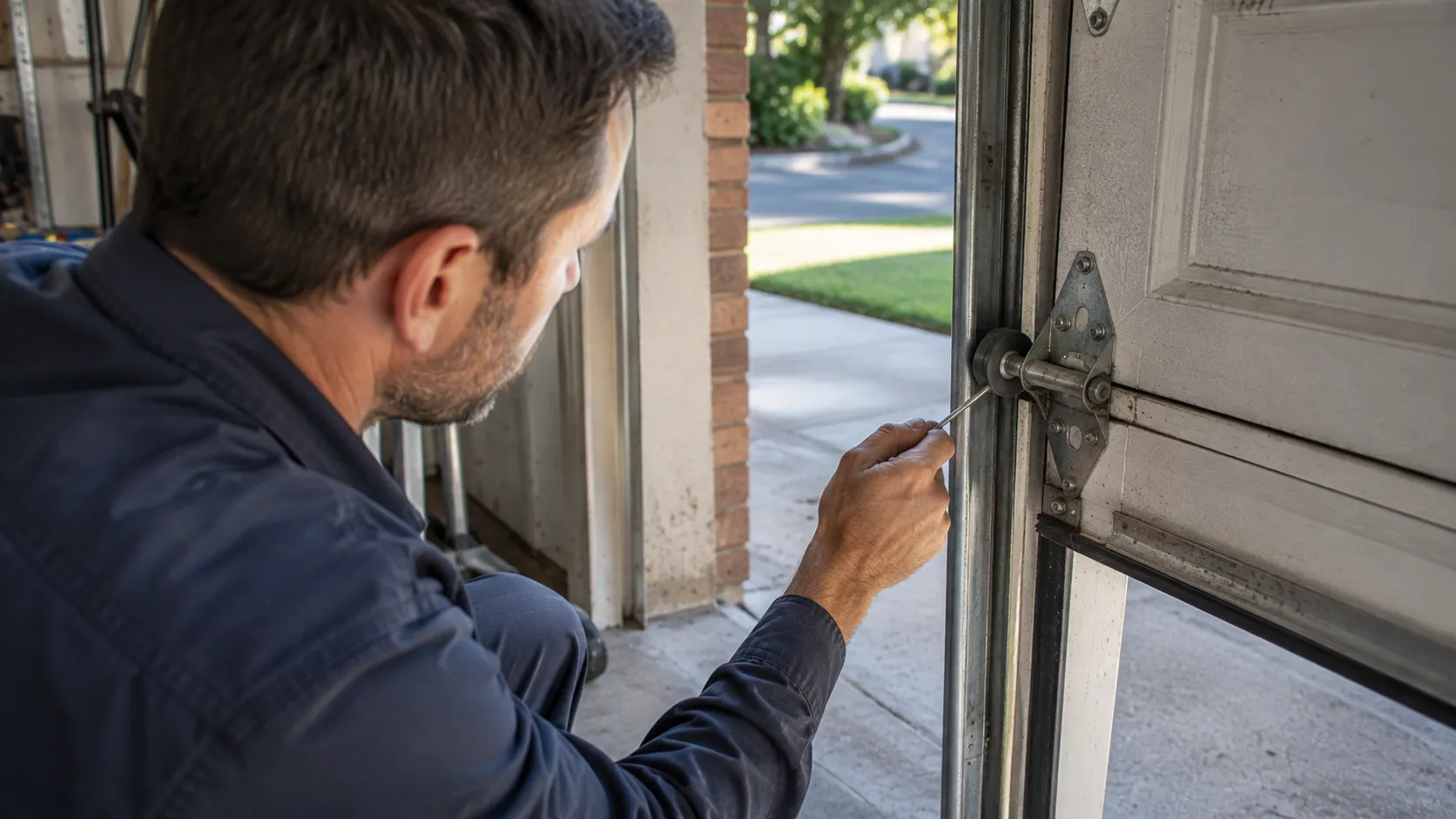
Here's the honest part: we can't tell you a door is worth fixing over the phone, and anyone who does is guessing. What we can tell you is what tips the decision. A steel door with straight panels and no rust-through, on a house from the 1976-2014 range that makes up most of this area, is almost always worth fixing - springs, rollers, and seals are wear parts, not structural ones. A door with a bowed panel, rusted-through skin, or a track that's been bent and straightened more than once is a different conversation; at that point you're paying repair money to keep patching something failing at the panel level, not the hardware level.
Our limitation: we don't carry every panel style that shipped on doors from the 1980s and 90s, and matching an original panel on a door that's only half-damaged sometimes means a longer wait than a homeowner expects, or a replacement that doesn't quite match the faded color of the rest of the door. In that case, replacing the whole door is usually the more honest answer than a mismatched patch. If your door is from that original wave of construction in this area and the panels are sound, get the spring and hardware looked at before you assume it needs to go.
Questions
Common questions
Is my garage door too old to repair if my house was built in the 1980s?
Not by itself. Most houses in this service area were built between 1976 and 2014, and steel doors from that stretch usually still have sound panels. Age tells you to check the spring's cycle count and the roller condition, not to assume the whole door needs replacing.
Does Katy's heat wear out garage door parts faster than the cold does elsewhere?
Differently, not necessarily faster. Katy sits in a moderate heat climate band rather than a freeze-thaw one, so instead of cracked steel skins you get dried-out rollers, brittle weatherstripping, and bolts loosened by repeated summer track expansion.
Can you match the panel on my original 1980s or 90s door?
Sometimes, but not always. We don't stock every panel style that shipped with doors from that era, and matching color and texture on a door that's only partly damaged can take longer than expected or come out slightly mismatched. In some cases a full replacement is the more honest option.
Ready when you are
Need a garage door sorted in Katy?
Katy Garage Door Pros repairs and installs garage doors, springs and openers in Katy, TX and the surrounding area.