Katy, TX

Panel Replacement for Garage Doors Built in Katy's 1980s and 90s Boom

Cracked, dented, or warped garage door panels are common on Katy's 1980s and 90s housing stock. Here's what panel replacement actually involves and why some doors can't be matched.

Panel Replacement for Garage Doors Built in Katy's 1980s and 90s Boom in Katy
Serving Katy, TXBackground-checked techsHonest, upfront pricingFast local response
1976–2014
Typical build years of local homes
1990
Median year homes were built
13K
Owner-occupied homes in the area
22K
Households in the area

DIY or pro

The DIY Question

A single dented panel looks like a job you could handle with a video and a Saturday. Sometimes it is. If the door is a common steel model still in production and the damage is cosmetic - a shopping cart ding, a backed-into corner - a bolt-on panel kit from the manufacturer can work, and we'll tell you that on the phone instead of booking a truck we don't need to send.

Panel section fit matching

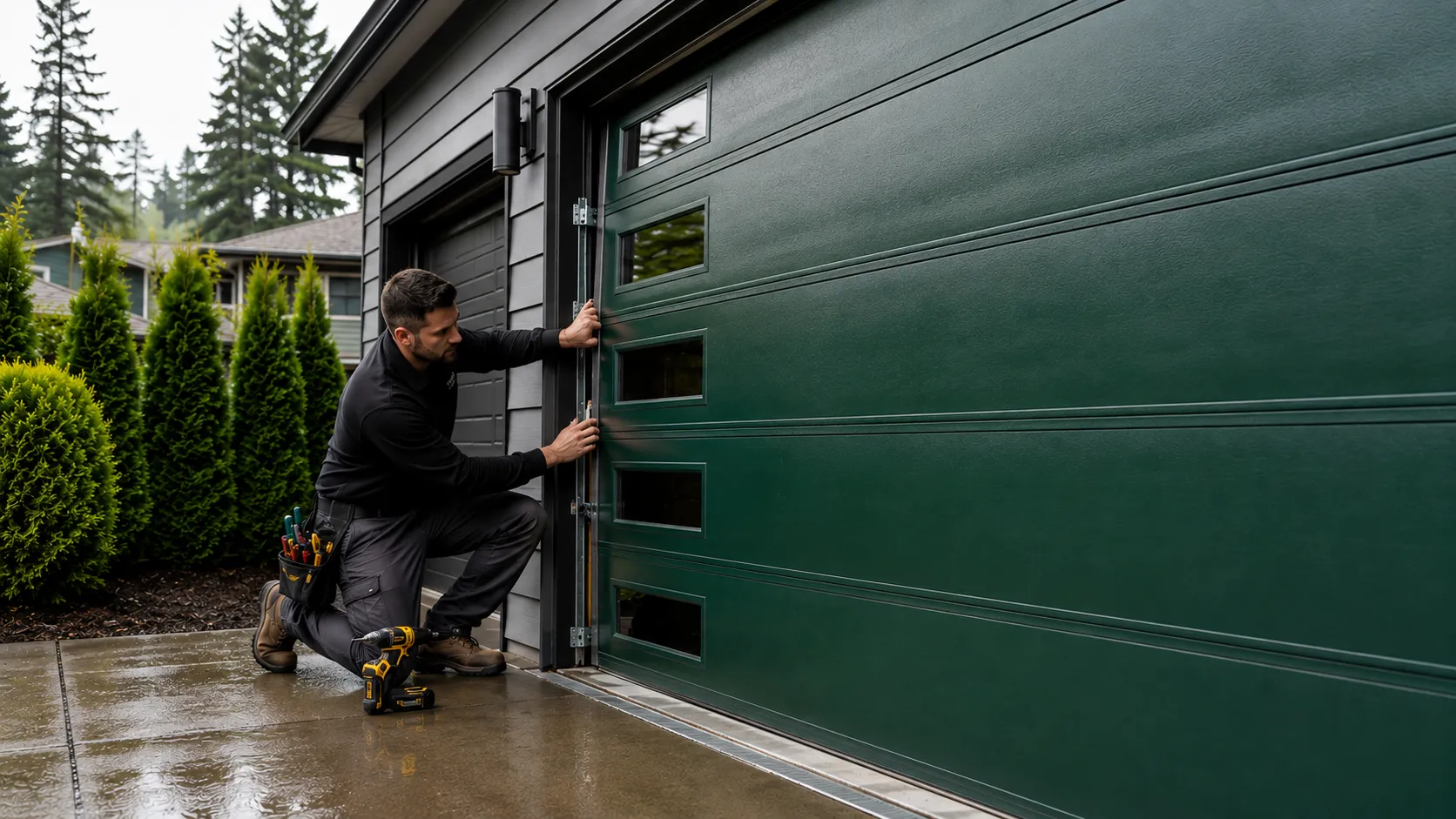
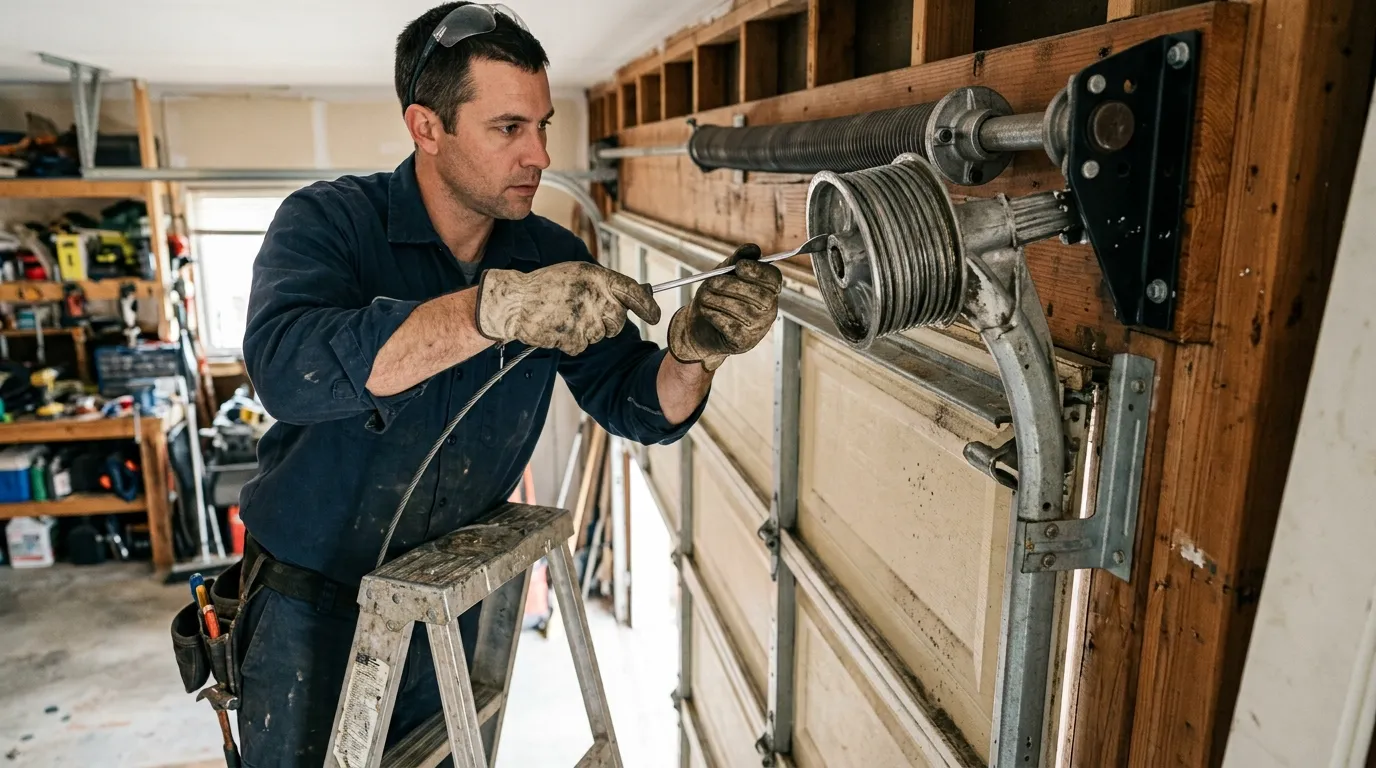
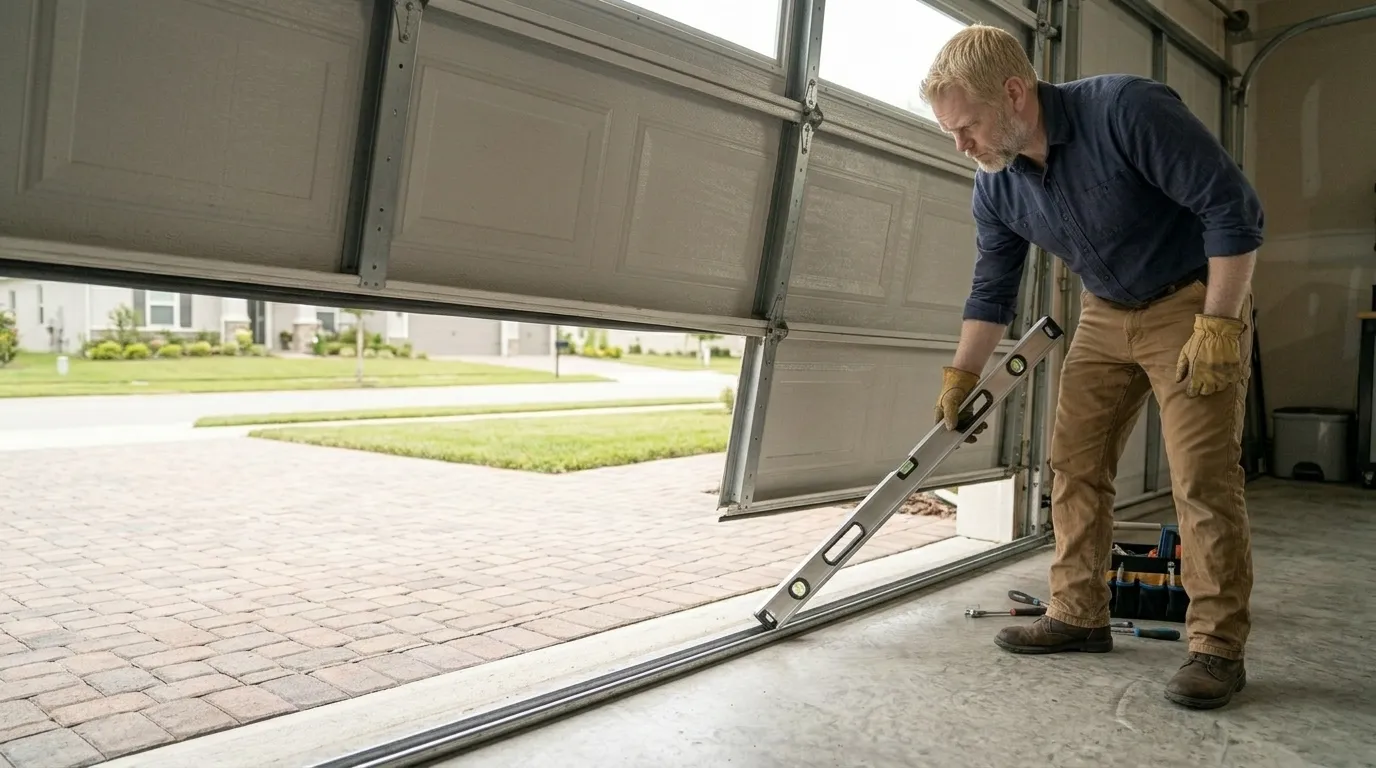
Where it stops being a DIY job is fit. Garage doors are made of matched panel sections, and the hinge spacing, the seam profile, and the color coat vary by manufacturer and by production year. If your door was installed any time in the 1980s or 90s, which covers a lot of Katy-area houses, the exact panel your model used may not be made anymore.

Hinge spacing profile mismatch

At that point you're not swapping a part, you're sourcing one, and that's a different job with different risk - a mismatched panel throws the door's balance off and can strain the opener and the springs it wasn't sized for.

Balance-throwing misaligned panel

Our honest limit here: if we can't get a panel that matches your door's original spec, we'll say so rather than force a part that doesn't fit, and we'll walk you through whether a full door swap makes more sense than a patch.

Warning signs

What You Are Seeing

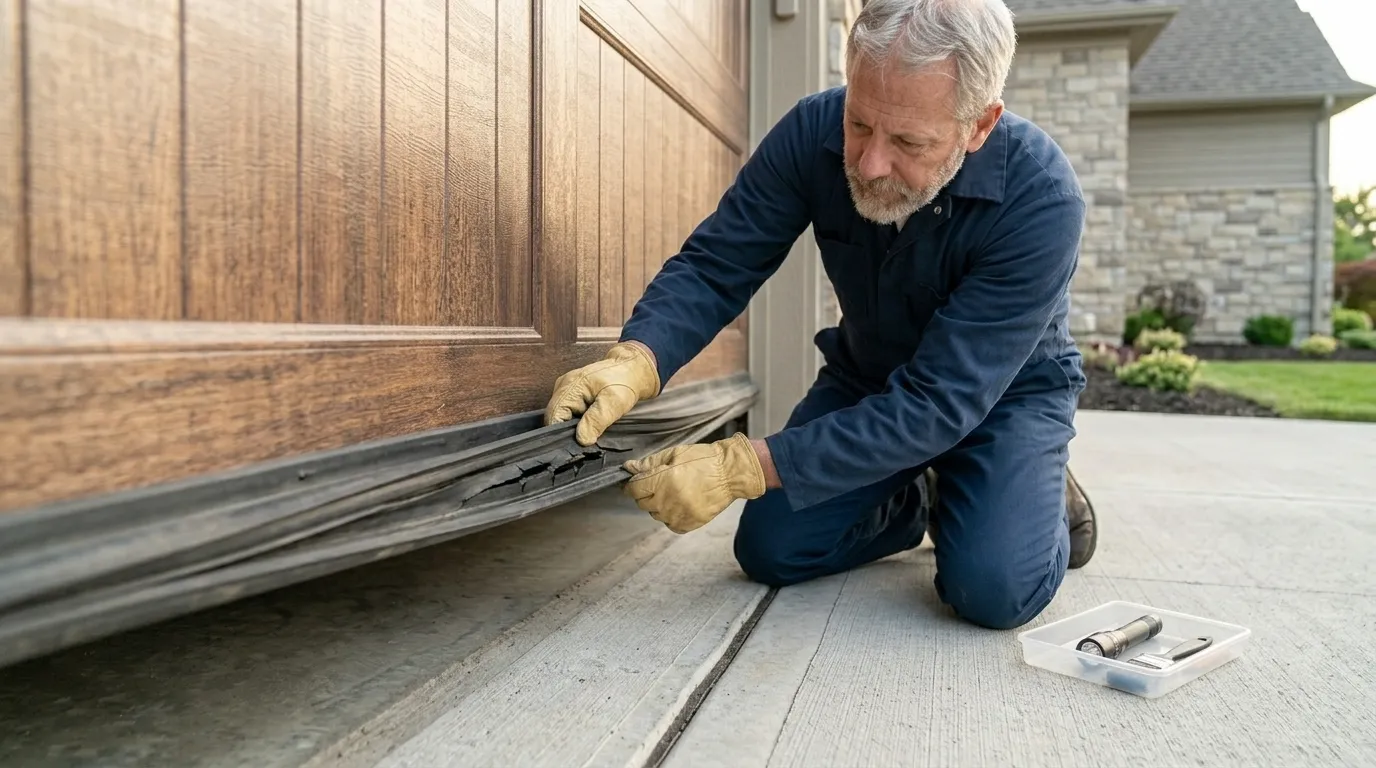
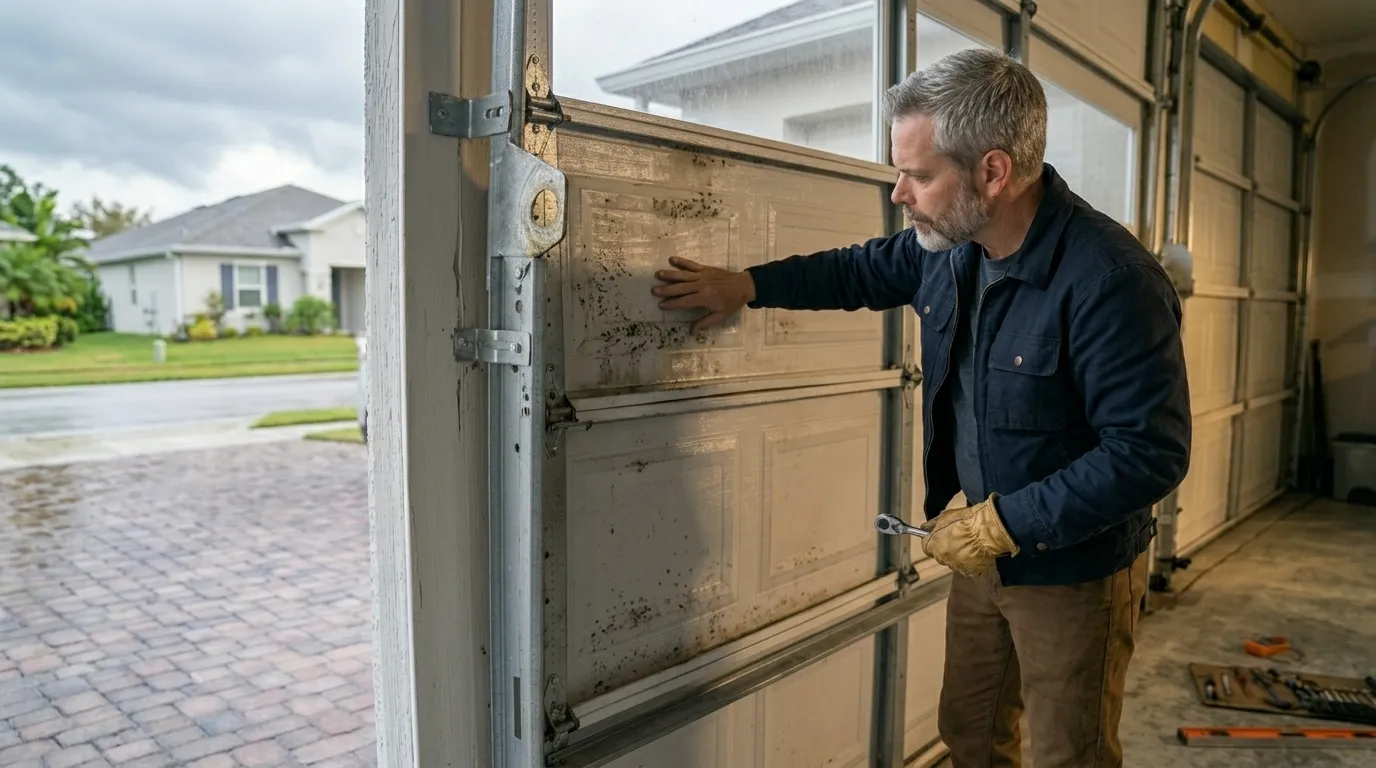
Most of what we get called out for on panel jobs isn't one dramatic hit. It's a bottom panel that's rusted through at the corner, a middle panel bowed outward from repeated sun exposure, or a section where the steel skin has separated from the foam core and gone soft when you press on it.

Thinner steel older gauge impact

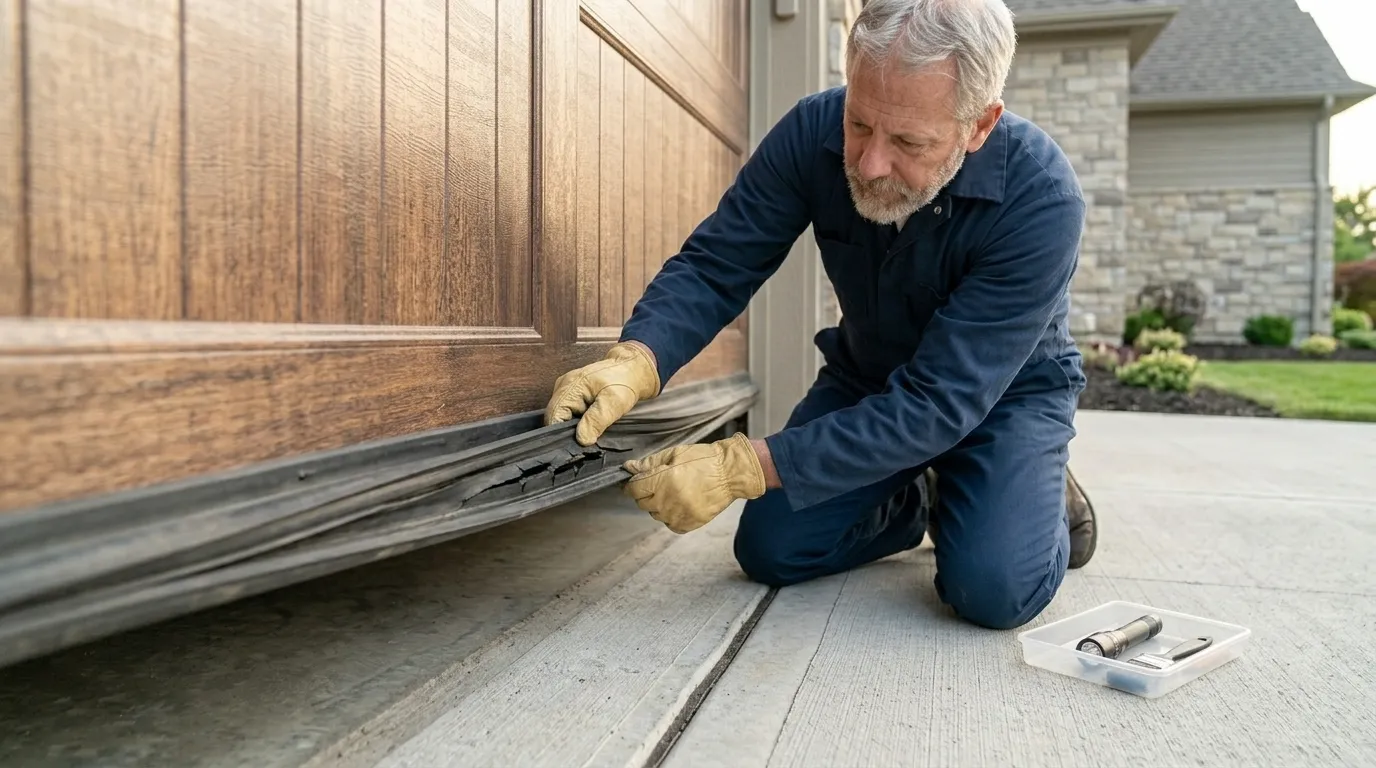
On the older end of the local housing stock - doors original to houses built in the 1980s and 90s - the steel gauge is thinner than what's sold today, so dents that would barely mark a modern door leave a permanent crease here. You'll also see seam cracking on the vertical joints between panels, especially on doors that get direct afternoon sun.

Thermal expansion contraction work

Katy sits in a moderate heat band rather than an extreme one, so we're not dealing with the panel warping you'd see somewhere with sustained triple-digit stretches, but repeated expansion and contraction over three or four decades still works the seams loose and lets moisture in behind the paint.

Seam rust bleeding through

If you're seeing daylight at a seam, rust bleeding through primer, or a panel that flexes more than the one next to it, that's a panel problem, not something a new opener or a spring adjustment will fix.

Job timing

Time on the Job

A straightforward swap on a door still in production - matching color, matching panel design, distributor has stock - is usually a same-visit job once the part's in hand.

Regional distributor sourcing delays

Measuring, ordering, and confirming the panel is correct takes longer than the install itself. Where the timeline stretches is sourcing. A lot of the doors we're replacing panels on here are original to houses built between 1976 and 2014, with the bulk of that stock going up through the 1980s and 90s across the twelve named subdivisions we cover.

Patient replacement cost analysis

Manufacturers discontinue panel designs, and a door that age may need a panel pulled from a regional distributor rather than a local shelf. We won't quote you a same-day promise on that kind of part and then miss it - we'll tell you what we're waiting on and give you a realistic window once we know what the distributor actually has.

Full section substitution timing

If the wait on a matched panel runs long enough that you're better off replacing the whole door section by section over time, or all at once, we'll say that too. Sometimes the patient move costs less in the long run than chasing one exact panel.

Local causes

Why This Fails Locally

This isn't a generic wear-and-tear story. It's tied to what's actually on the ground here. Housing across the service area went up mostly between 1976 and 2014, with the median build year around 1990, and the majority of that stock across the named areas we run trucks through is 1980s and 90s construction. That means a large share of the doors we service are twenty-five to forty-five years old, built to specs and gauges that current manufacturers have moved past.

Katy's climate band is classified moderate heat rather than extreme, which changes the failure pattern: panels here don't blister and buckle the way they would somewhere with sustained extreme heat, but decades of ordinary seasonal expansion and contraction still work seams loose, let moisture behind the finish, and leave steel more brittle at the edges than it looks from the driveway.

Across the service area's roughly 21,587 households and 12,994 owner-occupied houses, a meaningful share still run the steel or aluminum panel doors that came standard with builds through the 1990s. That's the combination that drives panel work here: an older door population, a climate that ages seams slowly instead of destroying them fast, and manufacturers who've since redesigned the parts.

Why This Fails Locally

Questions

Common questions

Can you match the panel color on an older door?

Sometimes. If the manufacturer still stocks that panel design, we can order a color match. On doors original to 1980s or 90s builds, the exact shade may have shifted over decades of fading, so a new panel can look slightly different until the rest of the door weathers to match. We'll show you the sample before ordering.

Is it cheaper to replace one panel or the whole door?

Depends on the door's age and how many panels are affected. One panel on a door still in production is usually the cheaper fix. On older doors where the design is discontinued, sourcing a single matched panel can cost more in time and money than replacing the whole door, and we'll tell you which way the numbers point for your specific door.

Why did my panel crack along the seam instead of just denting?

Seams are the weakest point on an aging panel. Years of ordinary heat expansion and cooling contraction work the joint between sections loose, and once moisture gets behind the paint the steel underneath starts to go. It shows up as a seam crack well before the panel face itself fails.

Do you replace panels on doors that aren't steel?

We work on steel and aluminum panel doors, which cover most of what's installed across this area's housing stock from the 1980s onward. If your door is a less common material or an unusual import model, tell us the make and model when you call so we can confirm parts availability before we schedule anything.

Ready when you are

Need a garage door sorted in Katy?

Katy Garage Door Pros repairs and installs garage doors, springs and openers in Katy, TX and the surrounding area.

Call Now(281) 994-9443