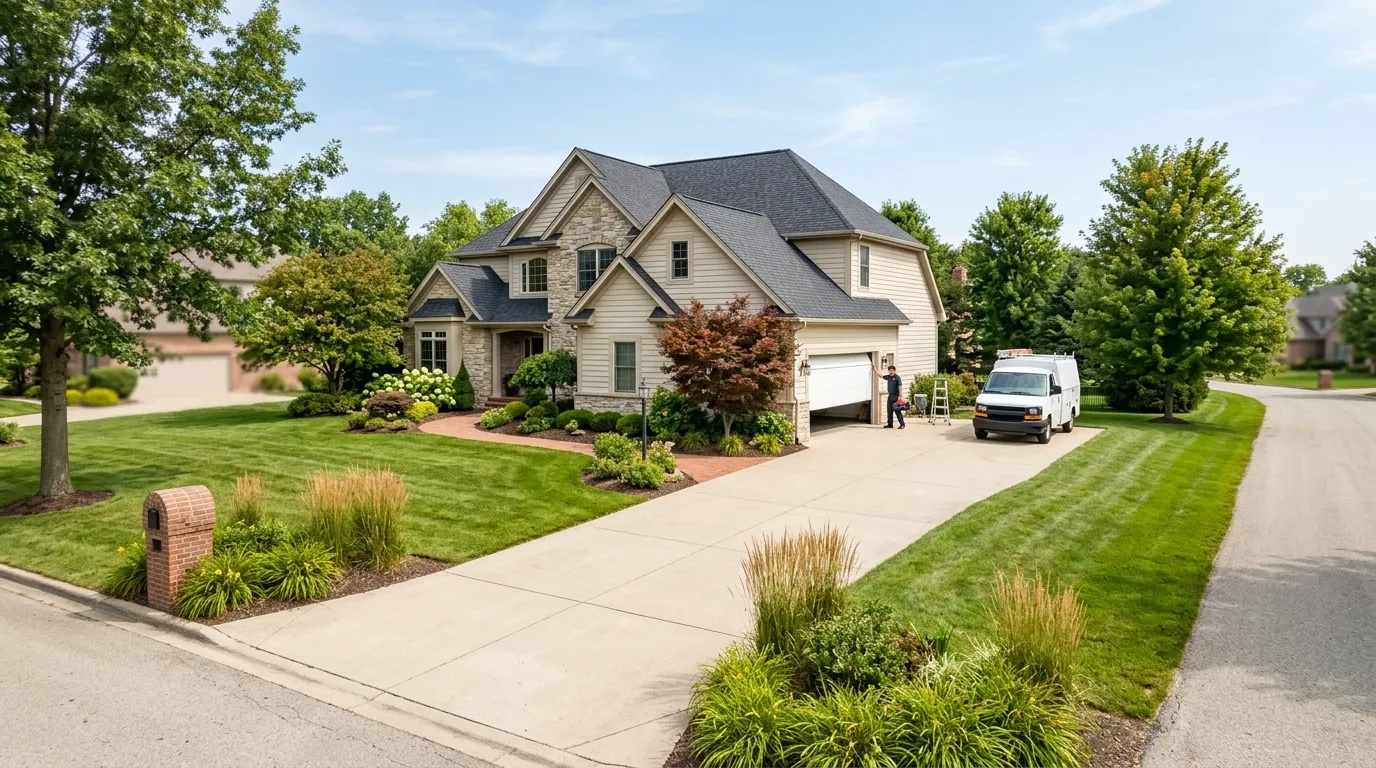
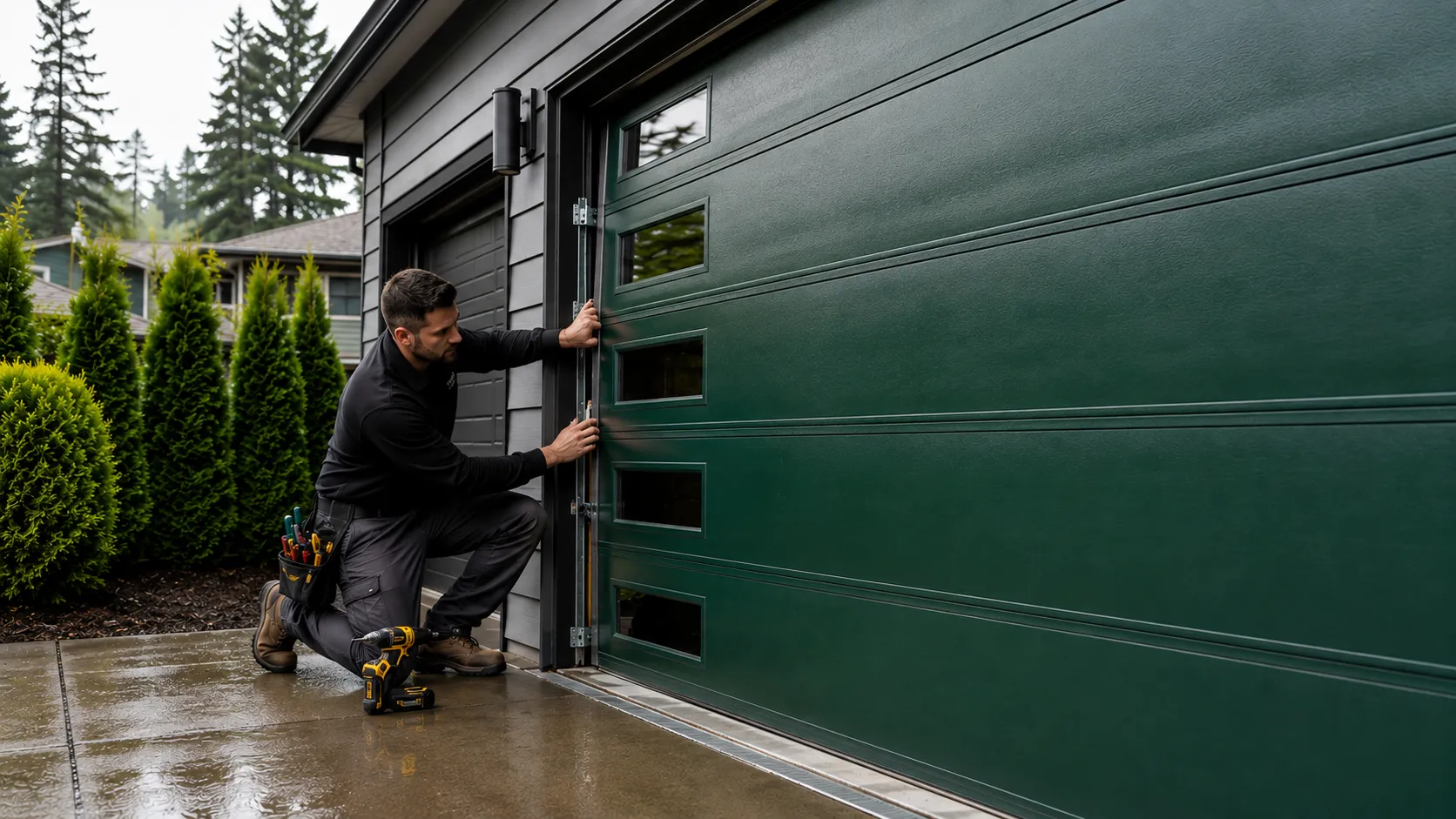
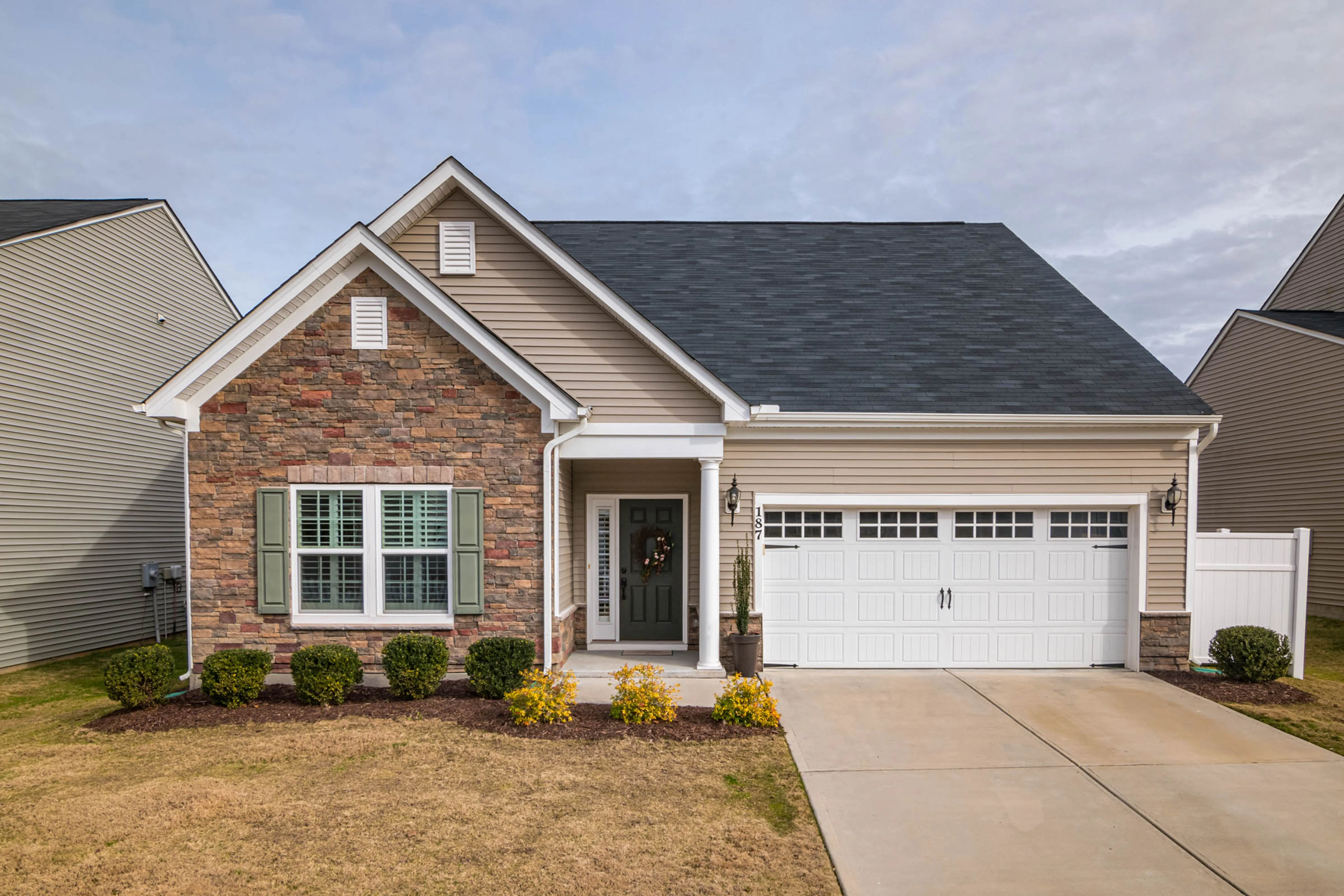
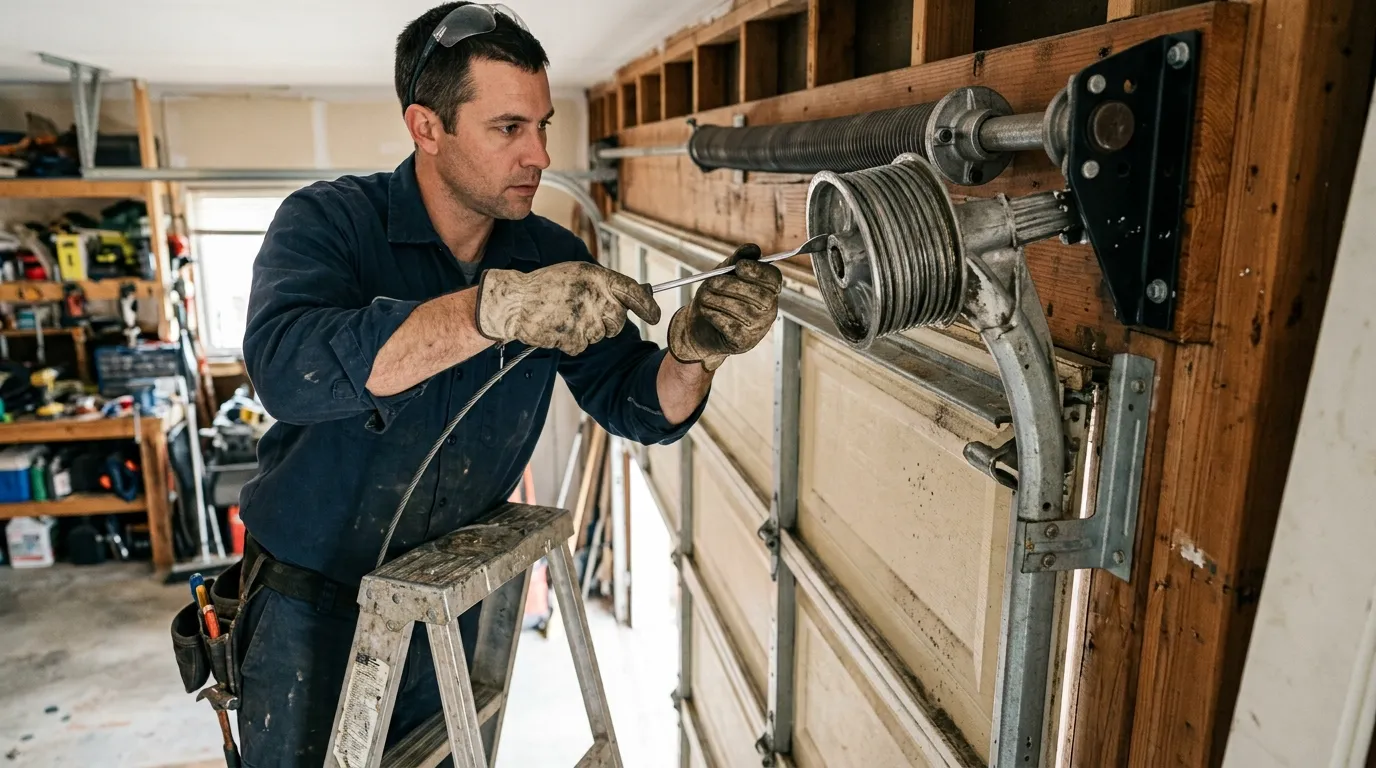
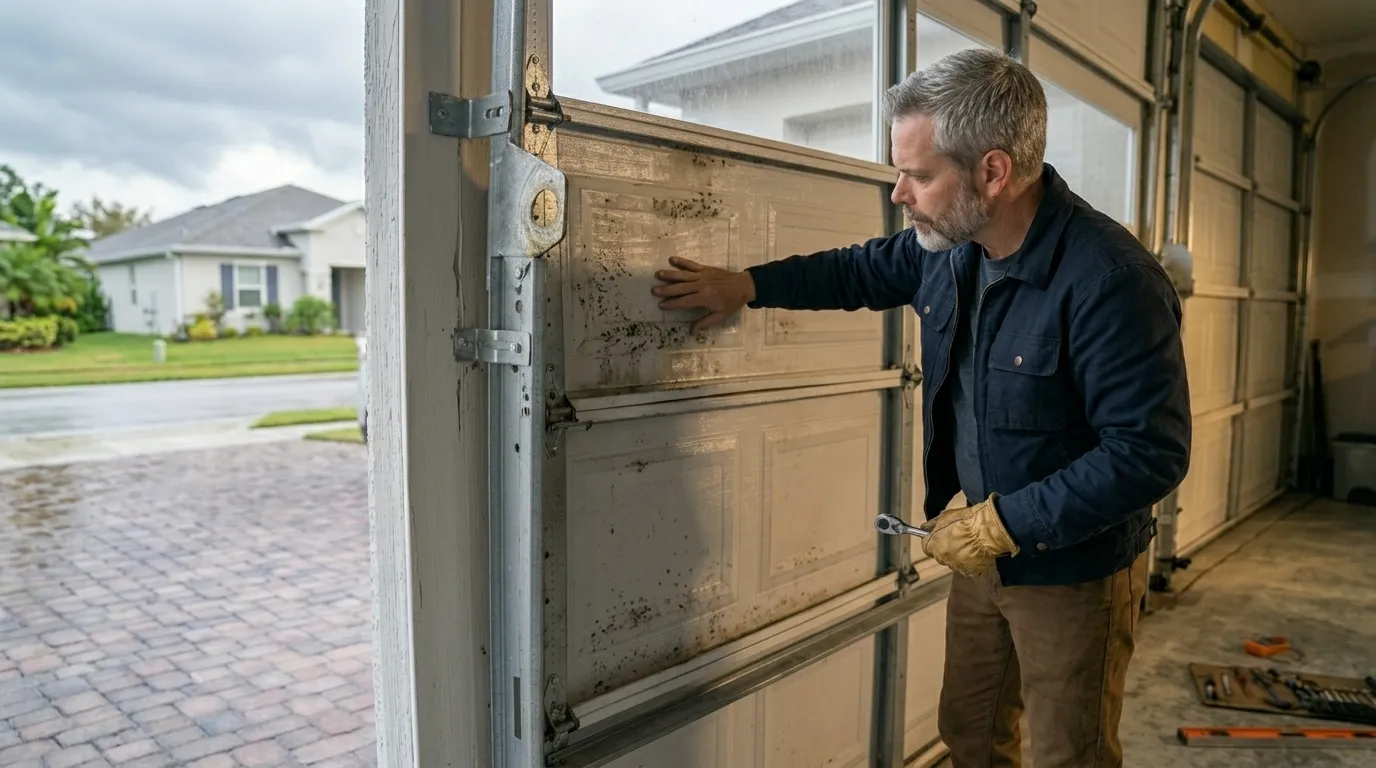
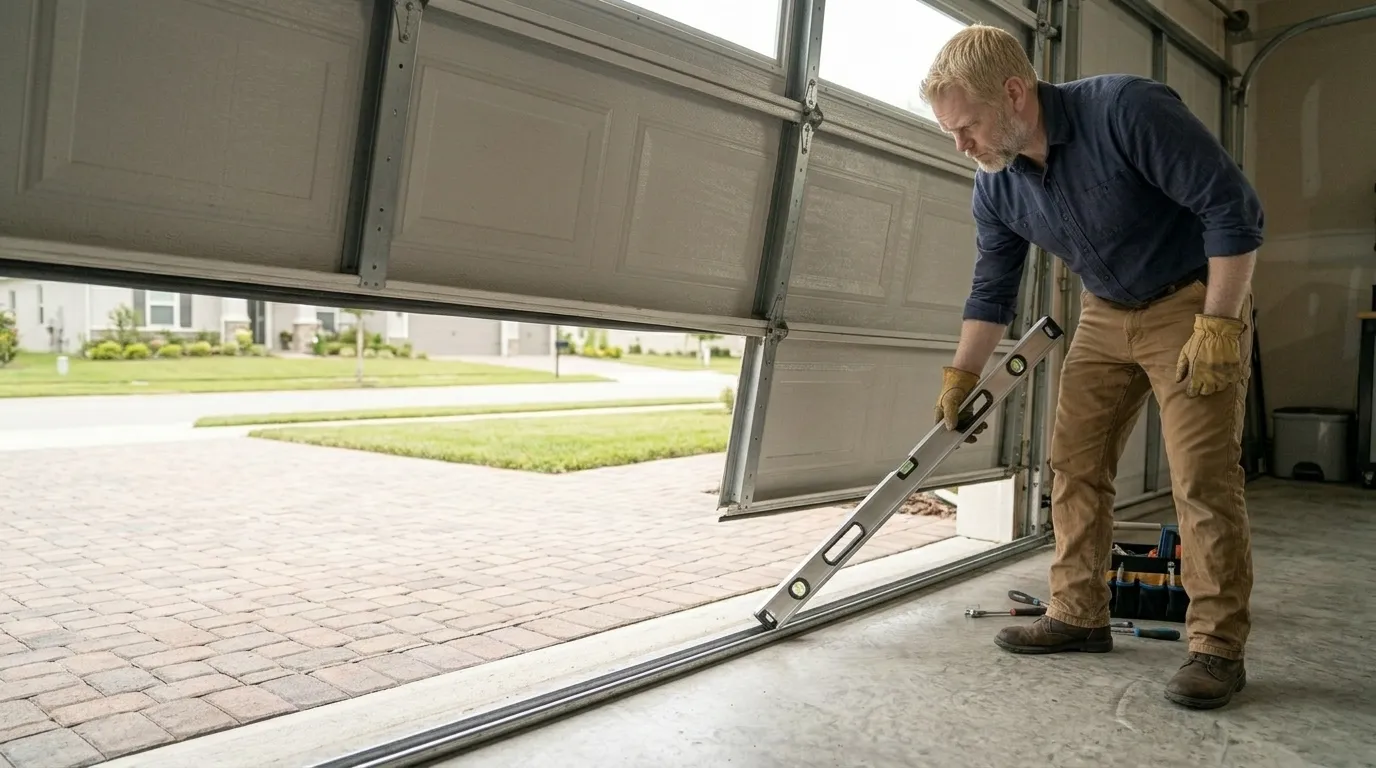
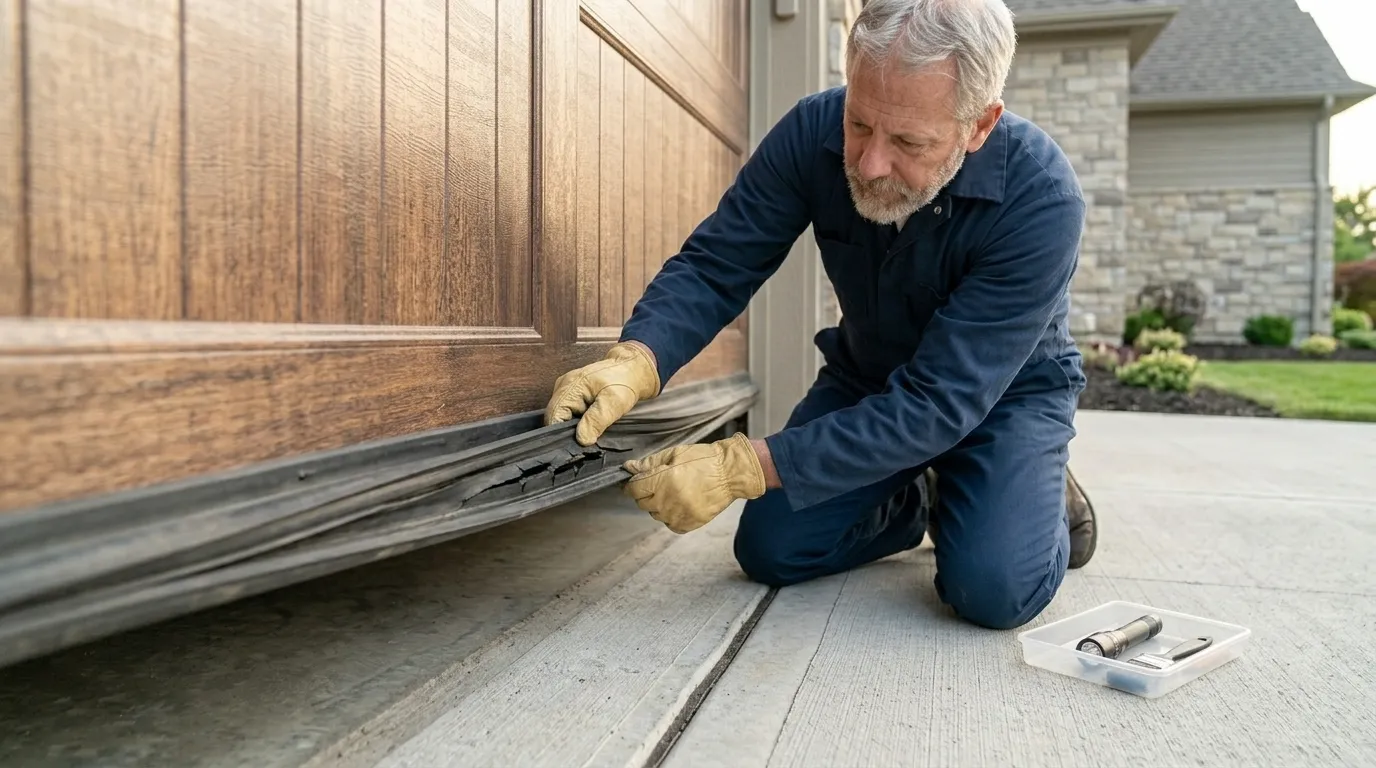
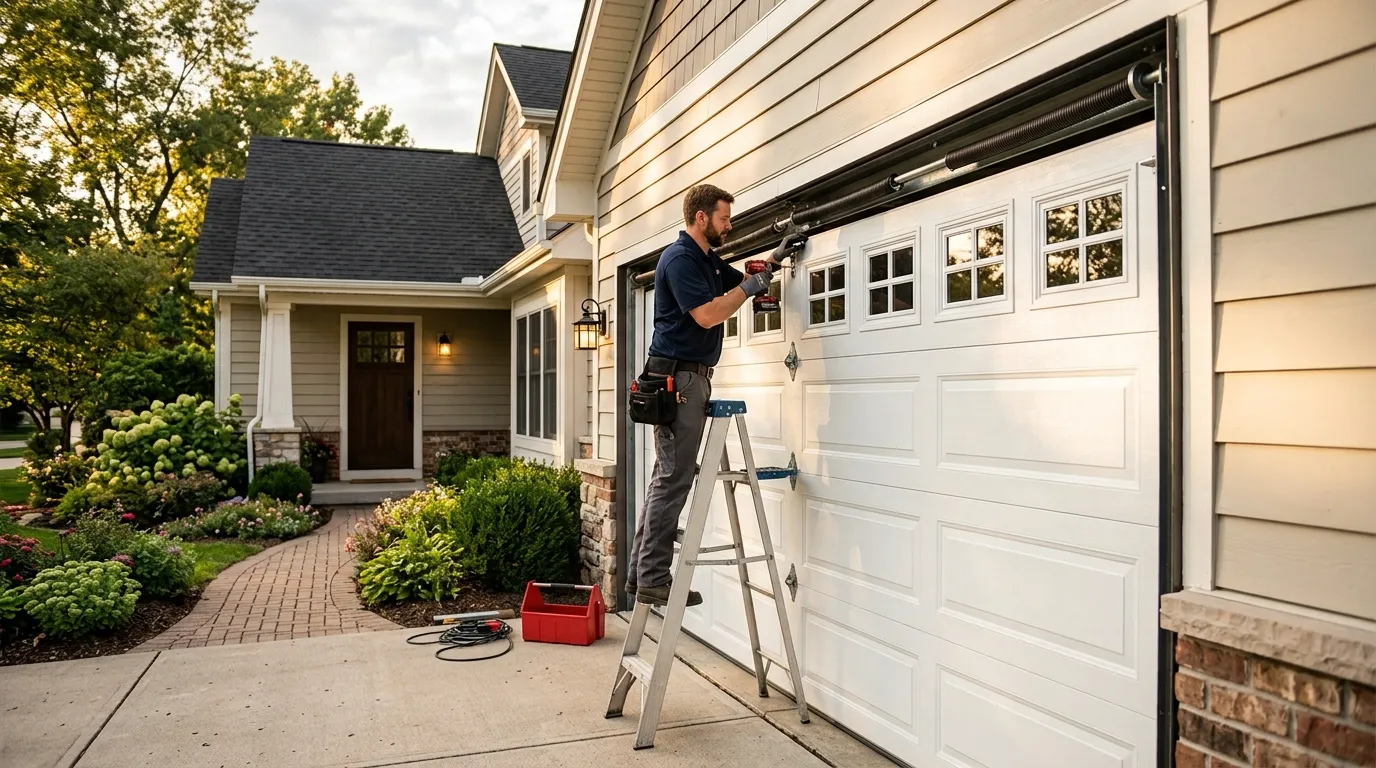
Housing across this service area went up mostly between 1976 and 2014, with the heaviest run in the 1980s and 90s across the twelve named neighborhoods we work in. That means a large share of garage doors still running are on original torsion hardware, springs and cables that were never swapped because the door still opened - until the day it didn't.
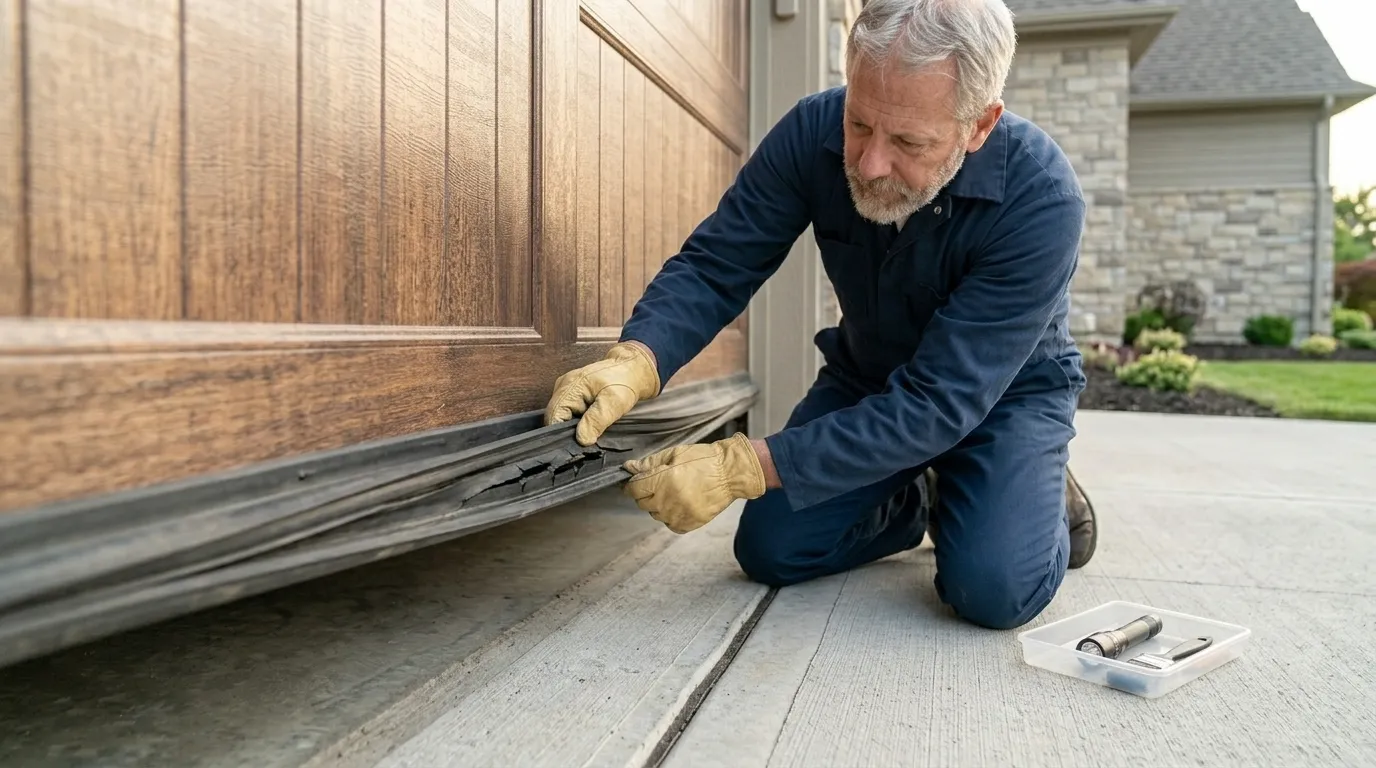
The service area sits in a moderate-heat climate band, and that matters more for garage doors than most owners expect. Steel springs and nylon rollers go through a daily expansion-and-contraction cycle from the heat, and that cycle is what wears out the metal fatigue point inside a torsion spring faster than age alone would. A spring rated for a certain number of cycles gets there sooner in a garage that bakes all afternoon.
With 12,994 owner-occupied houses among 21,587 households in this area, a lot of that original-era hardware is still in place and getting older every summer. It's not a defect in any one door - it's the math of steel, heat, and thirty-plus years catching up at once.