
DIY maintenance safe tasks
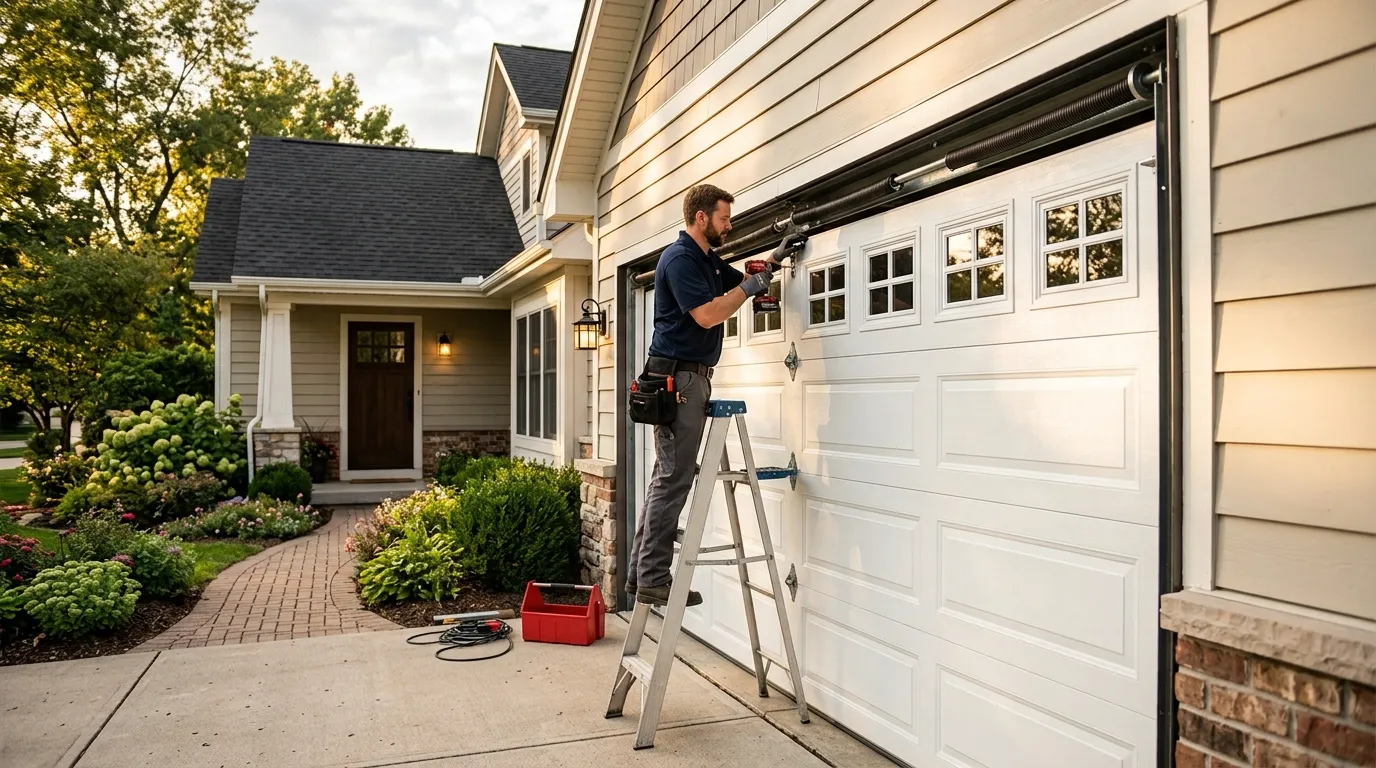
You can safely do the small stuff yourself: tighten loose hinge bolts, clean and lubricate rollers, check that the photo-eye sensors near the floor are aligned and not caked in lawn dust.
Katy, TX
Katy homes built between 1976 and 2014 wear out garage door parts on a predictable schedule. See what's failing, what it takes to fix, and when to stop patching.
DIY or pro
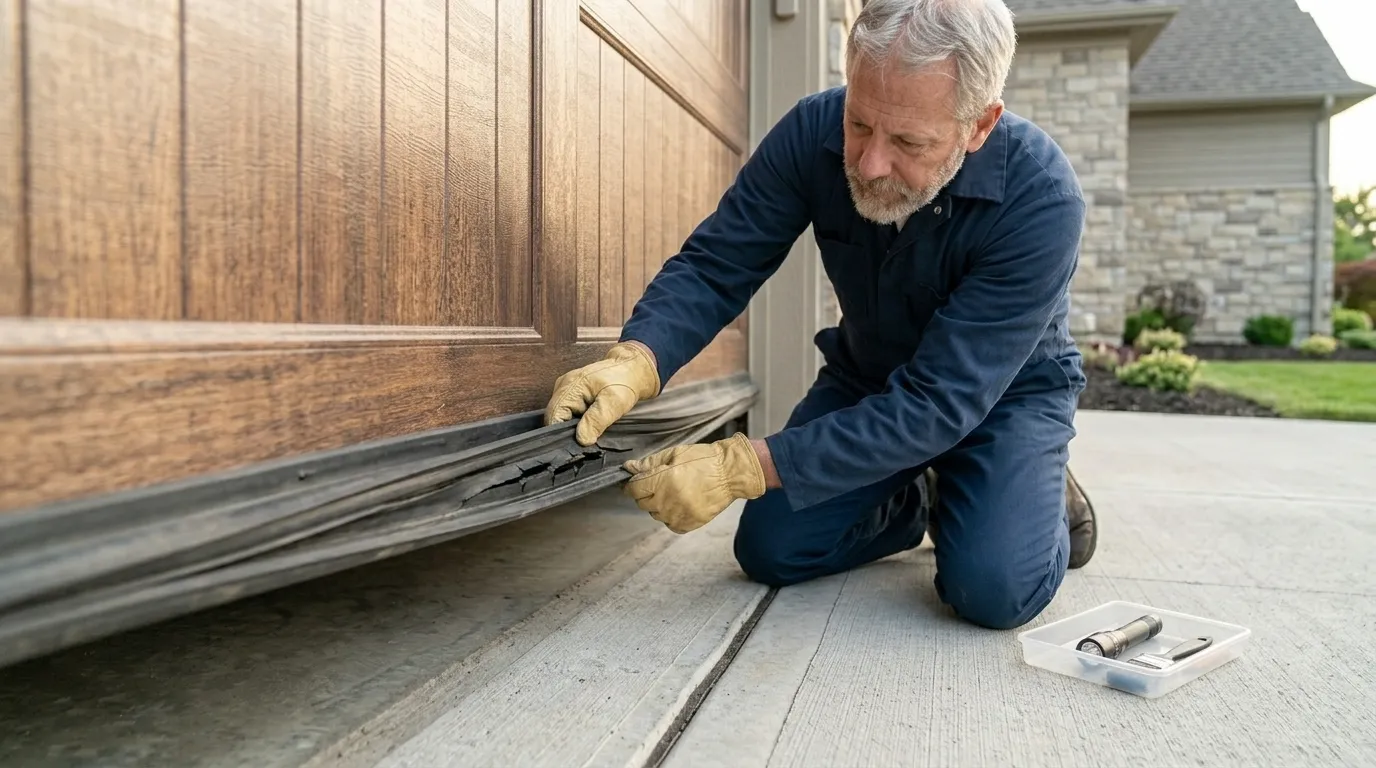
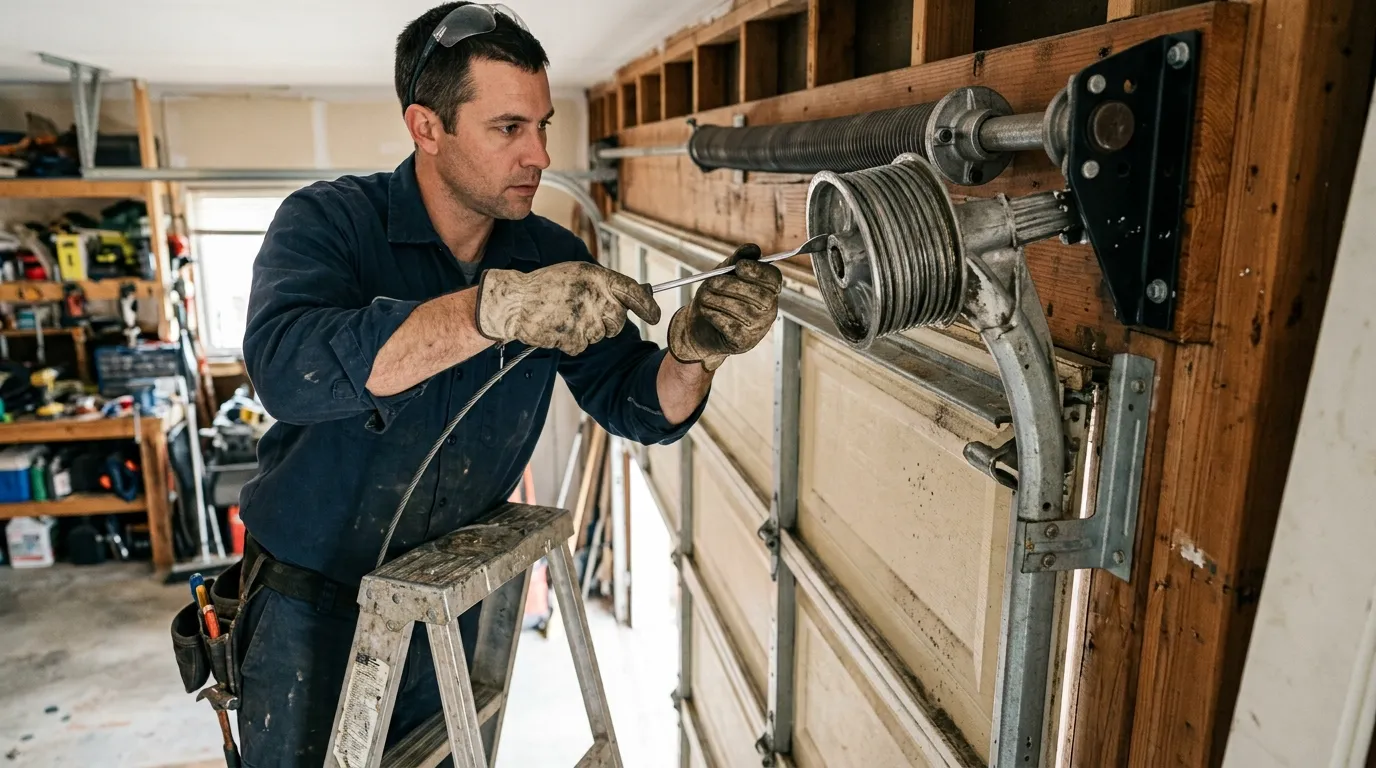
A garage door under tension is not a weekend project, and the tension is the part most homeowners underestimate. Torsion springs on a standard double door hold enough stored force to snap a socket wrench out of your hand, and on the 1980s and 90s stock that makes up most of Katy's housing, those springs are original or one replacement in.
You can safely do the small stuff yourself: tighten loose hinge bolts, clean and lubricate rollers, check that the photo-eye sensors near the floor are aligned and not caked in lawn dust.
What you shouldn't do is unwind a spring, cut a cable, or pull an opener motor apart, because the failure mode on those jobs is a trip to the ER, not a redo. If your door is slamming the last foot of travel, or the opener strains and reverses partway up, that's spring or cable fatigue talking, not something a can of WD-40 fixes.
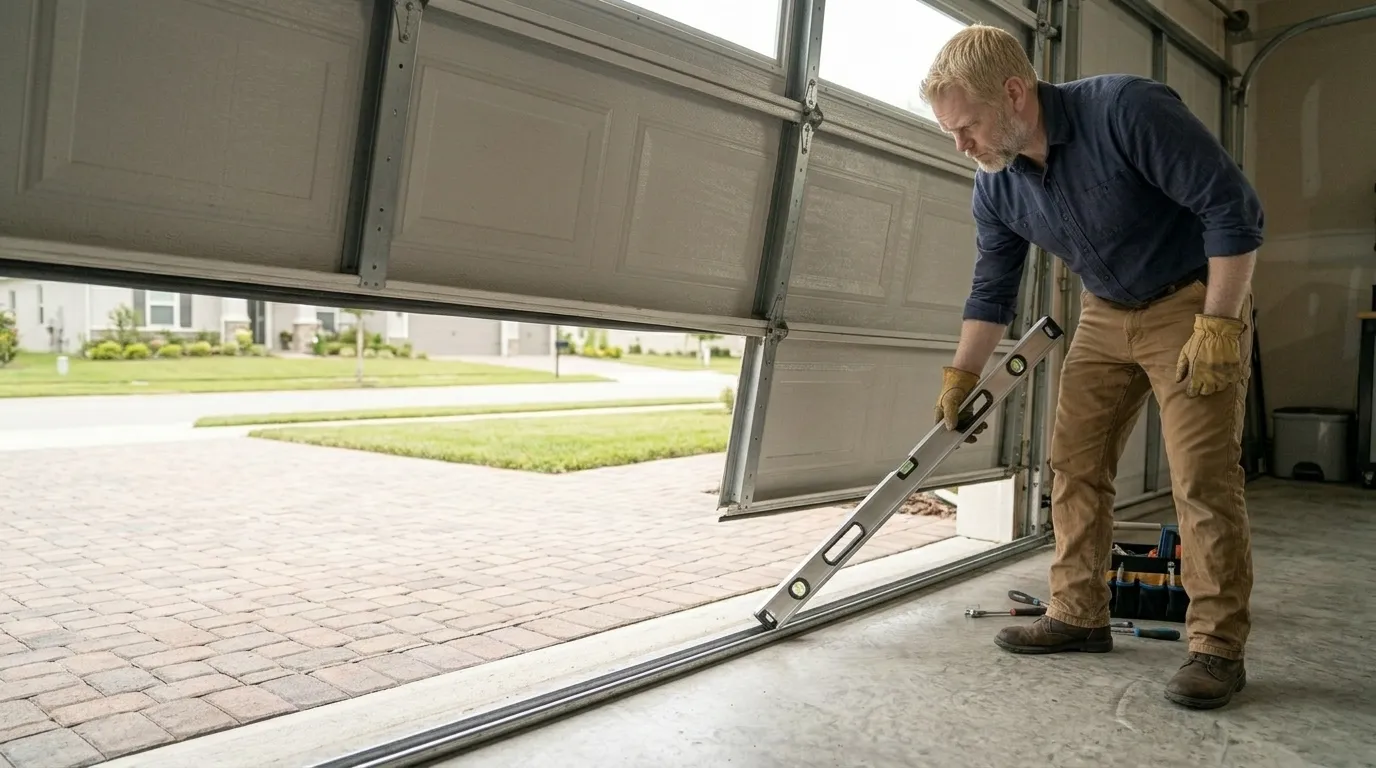
We'll tell you straight when a fix is a ten-minute adjustment versus a job that needs the tension released properly. Half our calls in older sections of the service area are for doors where a homeowner tried the spring themselves first and stopped when it stopped moving.
Warning signs
In houses built through the 1980s and 90s across areas like Cinco Ranch, Grand Lakes, Nottingham Country, and Barker, the same handful of symptoms show up again and again: a door that shudders and bangs on the way down, a remote that works only from six inches away, rollers that have gone from steel to cracked nylon and rattle in the track, and openers with worn drive gears that grind before they finally strip.
Cables fraying at the bottom bracket are common on doors that have never had the drum re-lubricated. None of this is dramatic until it is - a frayed cable that lets go while the door is open drops a hundred-plus pounds of steel with no warning.
Newer openers on houses built closer to 2014 tend to show electronic faults instead: dead logic boards, sensors that lose alignment after a season of yard work bumping the bracket.
Both problem sets exist here because the housing stock spans nearly forty years, so we're pulling parts for both eras of design on the same day, sometimes on the same street.
Job timing
Most single-issue repairs - a broken spring, a cable off the drum, a bad roller run - are a same-visit fix once we're on site and have the right part on the truck.
Openers are the variable. If it's a mounting issue, a sensor realignment, or a burned-out capacitor on a common brand, that's quick. If the drive gear is stripped on an older belt or chain unit that isn't a current production model, we may need to order the part, and that adds time we can't promise away.
We'd rather tell you that up front than quote a number we can't hold to. A full door replacement, panels and all, takes longer than a repair simply because of the install itself - track alignment, spring sizing to the new door's weight, opener re-programming - not because the crew is slow.
One honest limitation: we don't keep every legacy part in stock for doors from the earliest end of the 1976 build window, and if yours is one of those, expect a short wait on that specific piece rather than a same-day close-out.
Local causes
Katy's housing didn't arrive all at once - it built out steadily from 1976 through 2014, with the heaviest concentration in the 1980s and 90s across the twelve named areas that make up most of the service territory. That means a huge share of the doors and openers we touch are the same age as the houses: 25 to 45 years of daily cycles on the same torsion spring, the same nylon rollers, the same drive gear. Springs are rated for a set number of cycles regardless of brand, so a door installed in 1988 is statistically due, and often overdue, no matter how well it's been maintained. The moderate heat band this part of Texas sits in isn't the kind of extreme that cracks panels or warps track overnight, but sustained warm months do dry out factory grease faster than a cooler climate would, which is part of why lubrication complaints outnumber weather-damage complaints on our calls here. With 21,587 households and 12,994 owner-occupied houses in the area, most falling in that same construction window, the pattern isn't a coincidence - it's the housing stock aging in step, one street at a time.
Questions
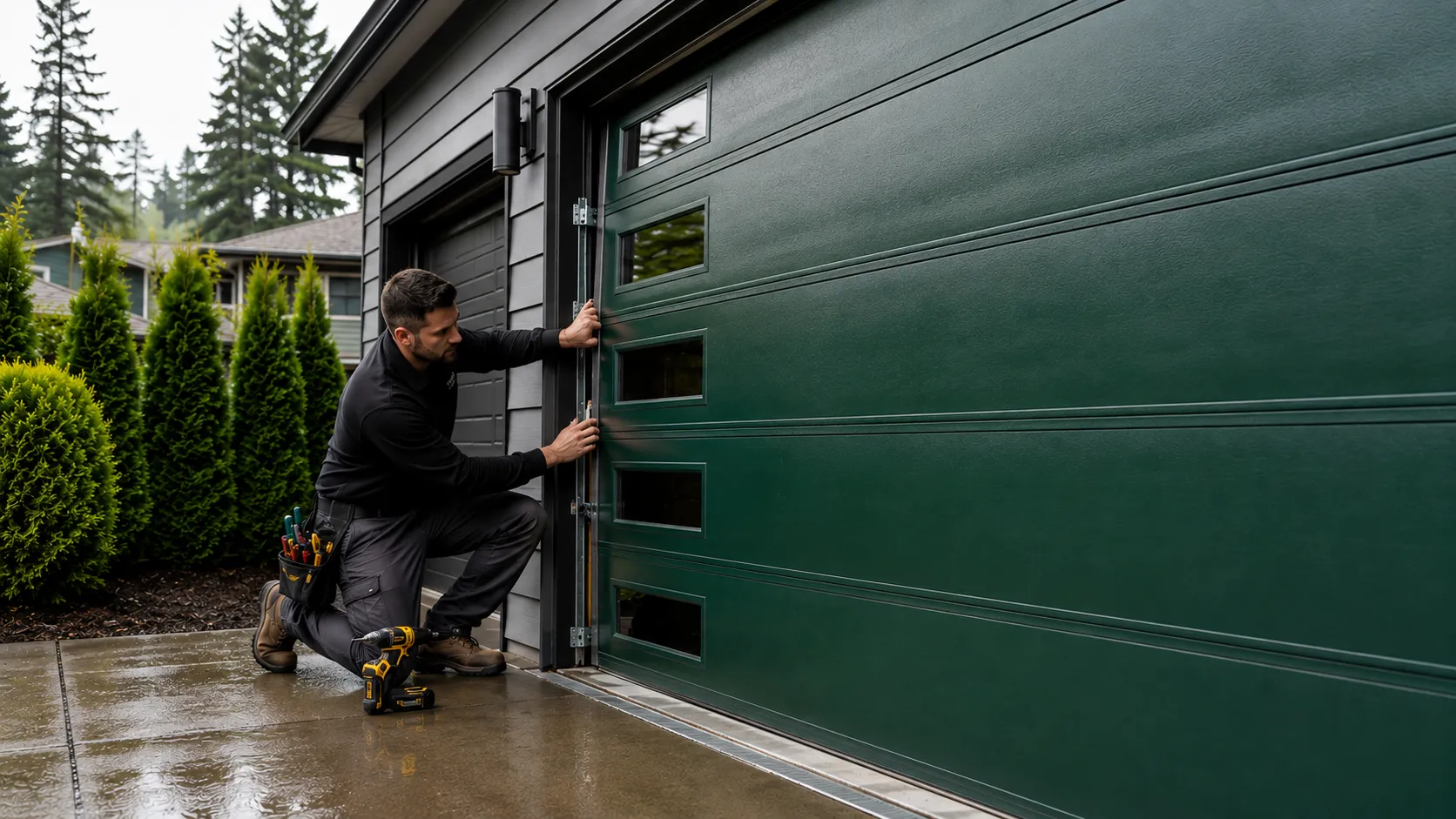
Springs are rated by cycle count, not age, but a door installed when most of Katy's stock went up - the 1980s and 90s - has likely gone through more cycles than the spring is rated for. If you hear a loud bang and the door won't move, the spring has already gone. Don't try to open it manually until it's replaced.
That's usually a worn drive gear inside the opener housing, a common failure on units original to houses from the 1980s and 90s. The gear is plastic on most models and wears down gradually before stripping completely. Once it grinds, replacement of that part or the whole unit is coming soon either way.
Not always. If the model is old enough that the specific gear or board isn't something we carry on the truck, we may need to order it, which adds time. At some point ordering parts for a decades-old unit costs close to what a new opener runs, and we'll tell you when you've hit that point rather than keep billing for patches.
Explore more
Ready when you are
Katy Garage Door Pros repairs and installs garage doors, springs and openers in Katy, TX and the surrounding area.